*UPDATE*
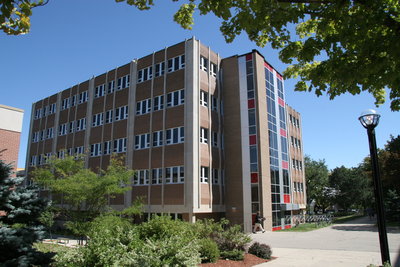
Far less was different than imagined. Coming from Brantford, having all my classes in the same building was a concept I am quite familiar with. After all, this is the same university we are talking about. Unfortunately, only one, single, lonely squirrel sighting was documented.
In class, we spent numerous hours simply discussing the Holocaust and the shaping of its history and contemporary memory, especially considering Poland’s current political state of affairs. Paradoxically, history continues to change, being shaped, remembered, and influenced by those who preserve it and those who choose to interact/engage with it. The question I hope to answer as I embark on this trip is: how will my engagement shape this history of suffering, both for myself and for the humans of the future?
For many memory activists, Jewish absence represents the loss of a multicultural Poland, of what was and could have been. Their activities… are meant to re-member: not only to recall past Jewish presence on Polish lands, but to attach a prosthetic Jewish limb to the Polish national body.
Genevieve Zubrzycki

So with this history of remembrance in mind, we need to also consider the actual events of the Holocaust. Genocide: “the deliberate and systematic extermination of an ethnic or national group” (OED). The concept of genocide was not even officially defined until the 20th century — as a post-WW2 concept, this definition and laws based theron, were founded on the actions committed against the Jewish people of occupied Europe. For many living at the time, this was unthinkable. It was unheard of. Genocide was not a codified part of international law, or even their national law. Furthermore, it was unthinkable in such a modern part of the world — this was previously the hub of the Renaissance and later the Enlightenment.
So I turn to my future self and say: remember. But do more than just remember — share, meet, and discuss the people of the Holocaust. Ensure that mankind does not reach that level of total depravity again. Look for the path away from any such possibility. And be thankful for my own personal freedoms of religion and all other indiscriminate rights as a Canadian and global citizen.
History, like most elements of life, are subject to personal experience and individual interpretation — that is to say, each person will embrace and understand this history in slightly different manners. This is not in the sense of “I can believe what I want and unsubscribe to those uncomfortable moments,” or that strange mentality of ‘alternative facts and truths’; every person on this trip with me will see, hear, and work on the same projects I do, but none will come to exactly the same conclusions. This becomes why conversation is such an awesome and integral part of studying history; no discussion means no care for the people of the past, and no concern over the truth. History becomes a present conversation about truth, about intent, and about humanity itself.
I struggled a bit this morning with the thought of whether I would even like Poland — especially considering the terrifying events of the 20th century (and in light of the course text material — The Crime and the Silence — as one of the destinations of our trip). The stories of sweet little ladies spouting anti-Semitic lines without thinking is terrifying (even more so with the knowledge that the book was published less than 20 years ago. Nonetheless, I think Poland itself will have its charm and unique appeal, especially considering the diverse history Poland has as a central European power.
Ultimately, I hope to tell you about my interaction and understanding with this history. What will yours be, and what is yours right now?
 Into That Darkness — and Out of it too...