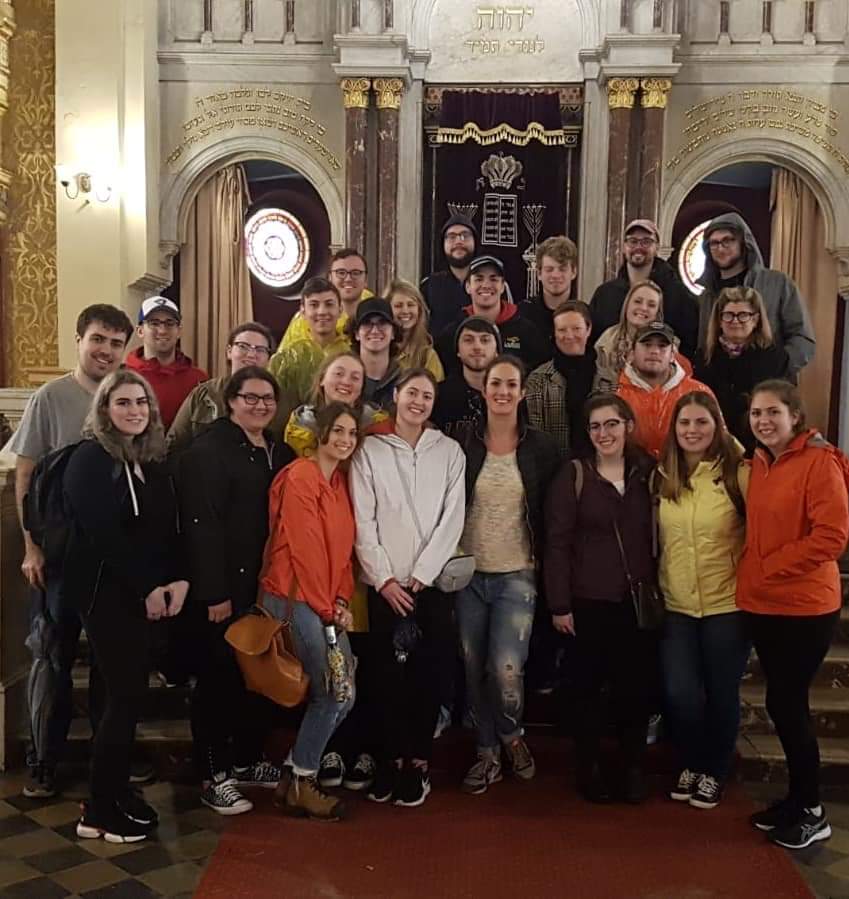
Returning to daily life the following Monday after returning home was a very strange sensation. My experience and learning of the last month kept coming to mind — and continues to do so. Yet, our daily life carries on and sights changed slightly by the time I returned home.
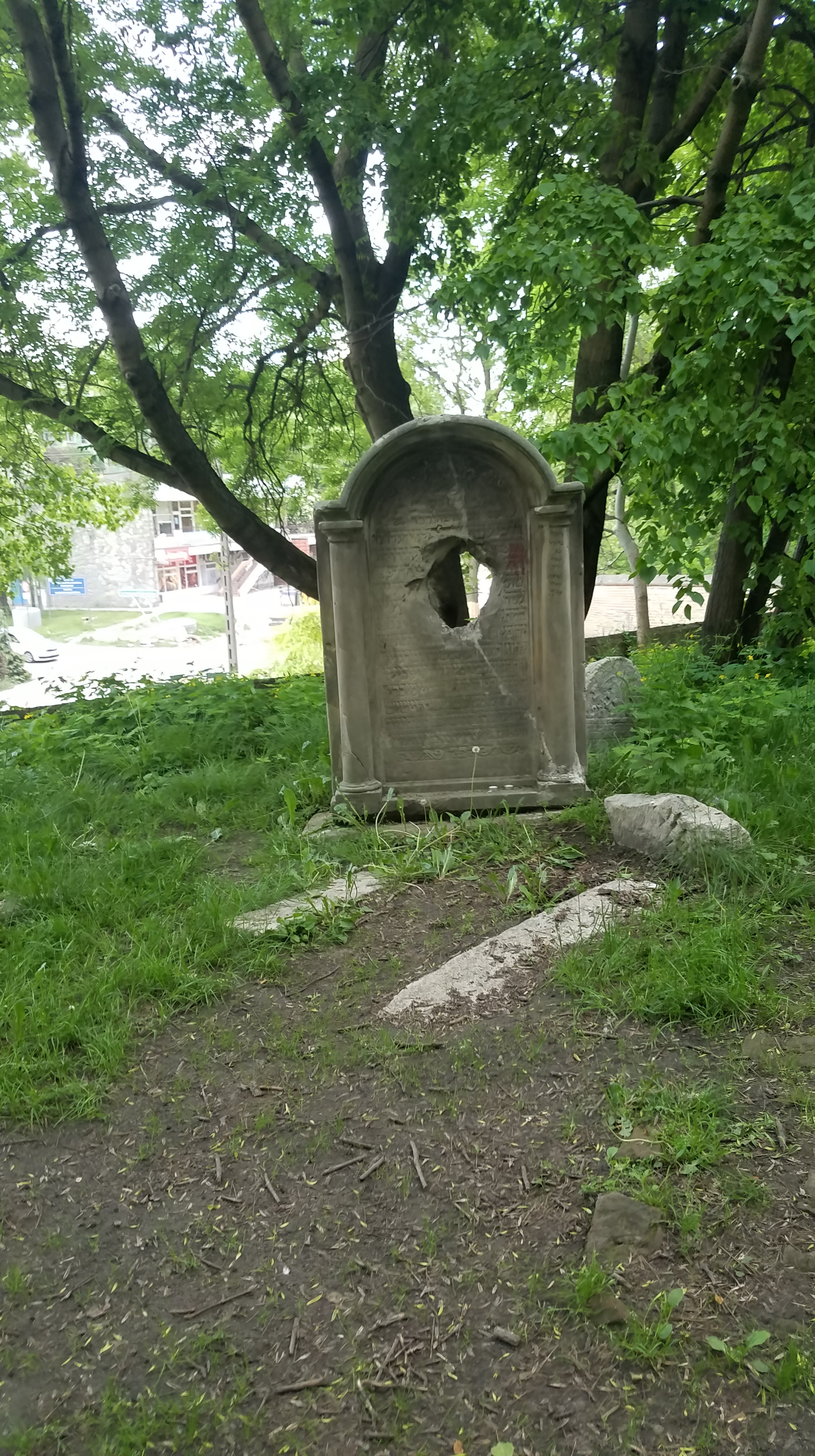
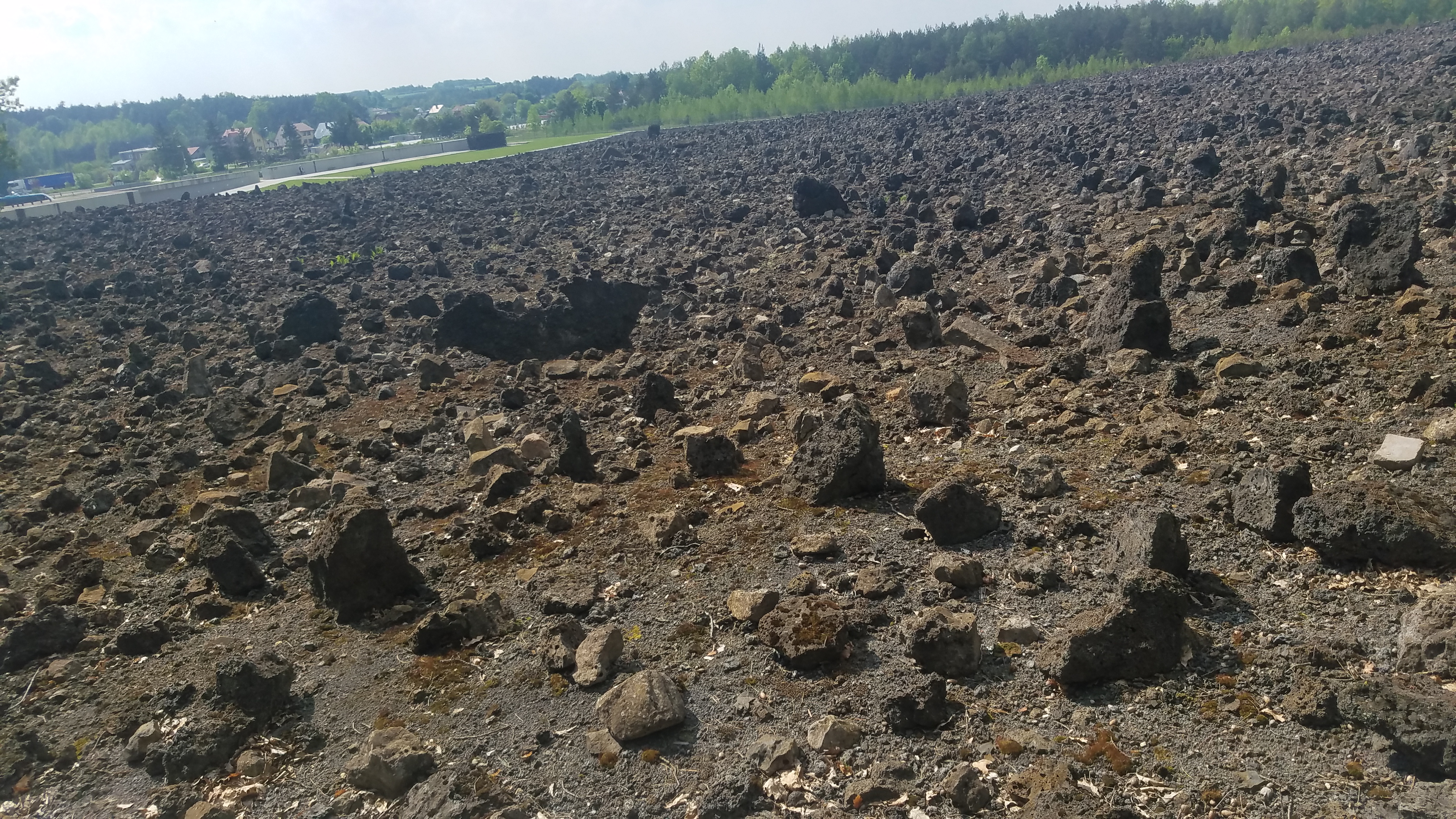
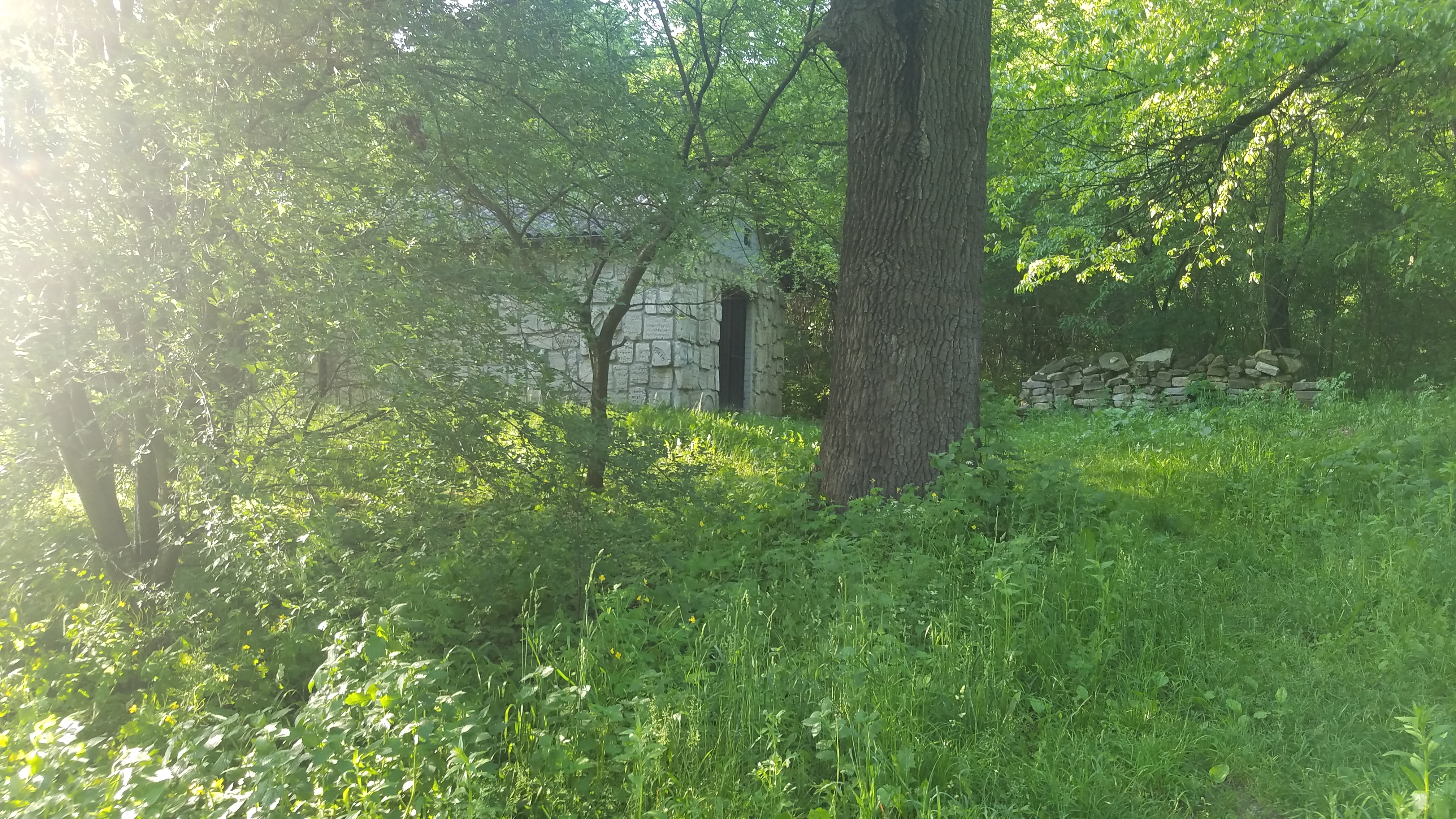
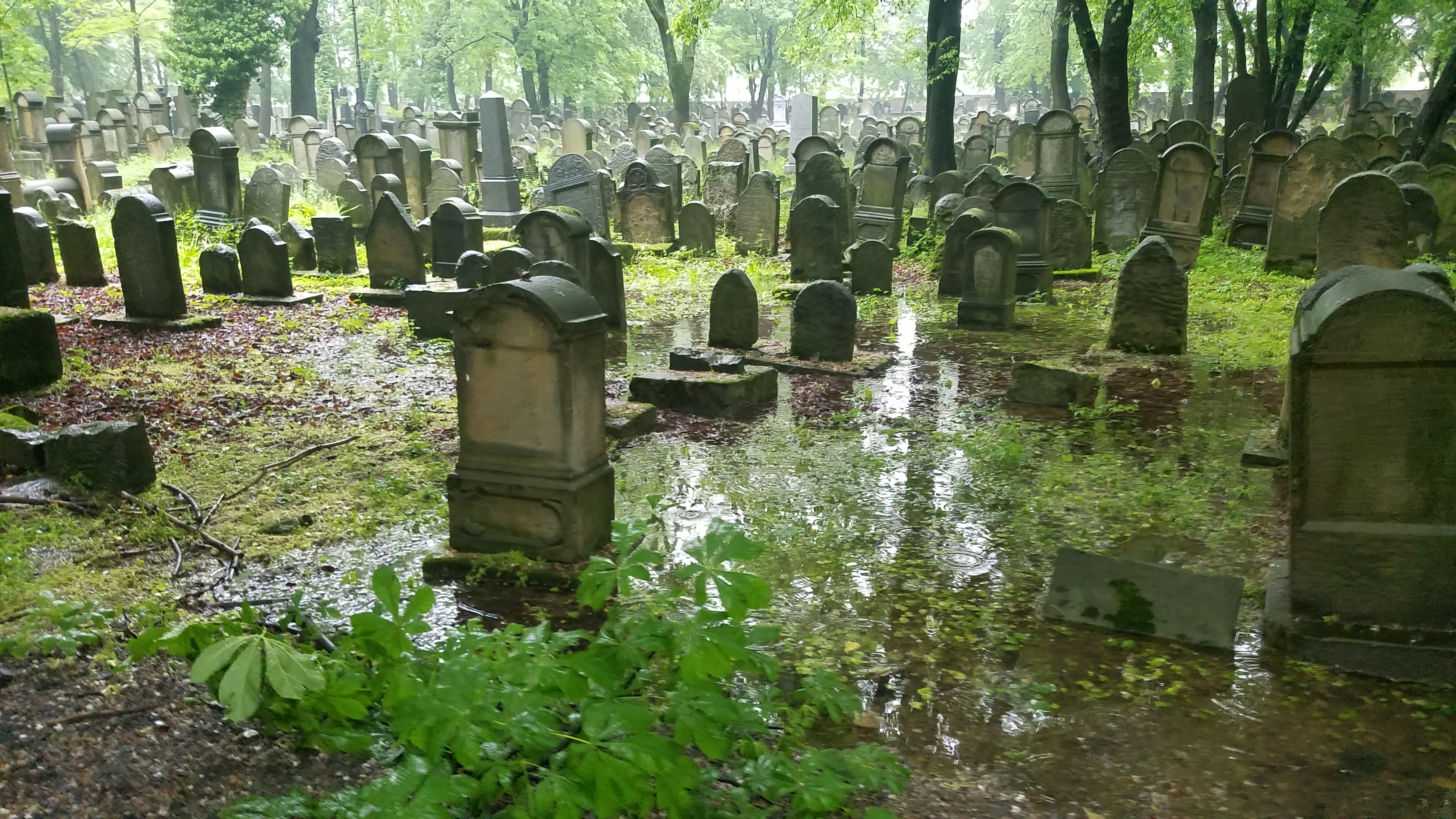
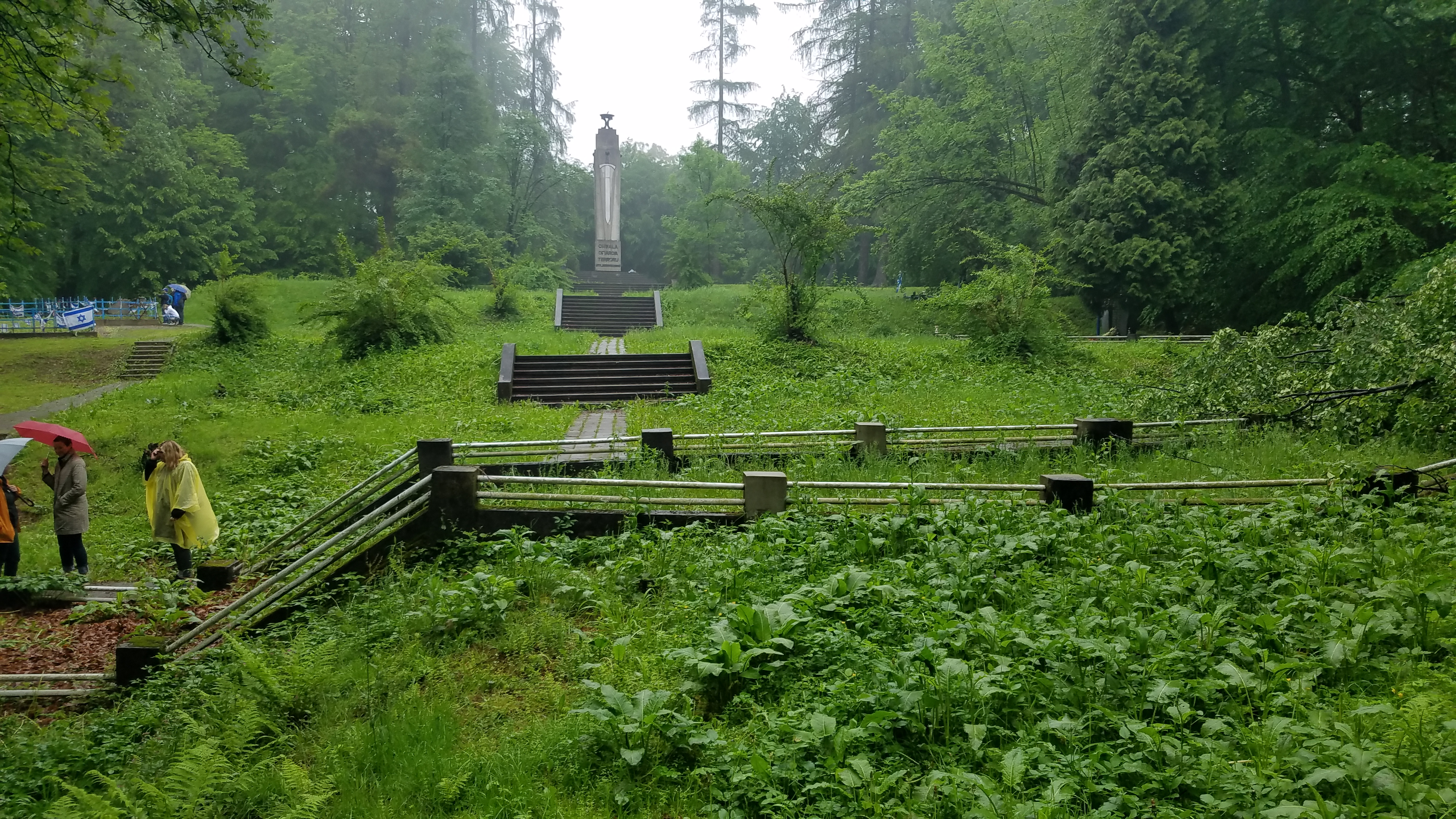
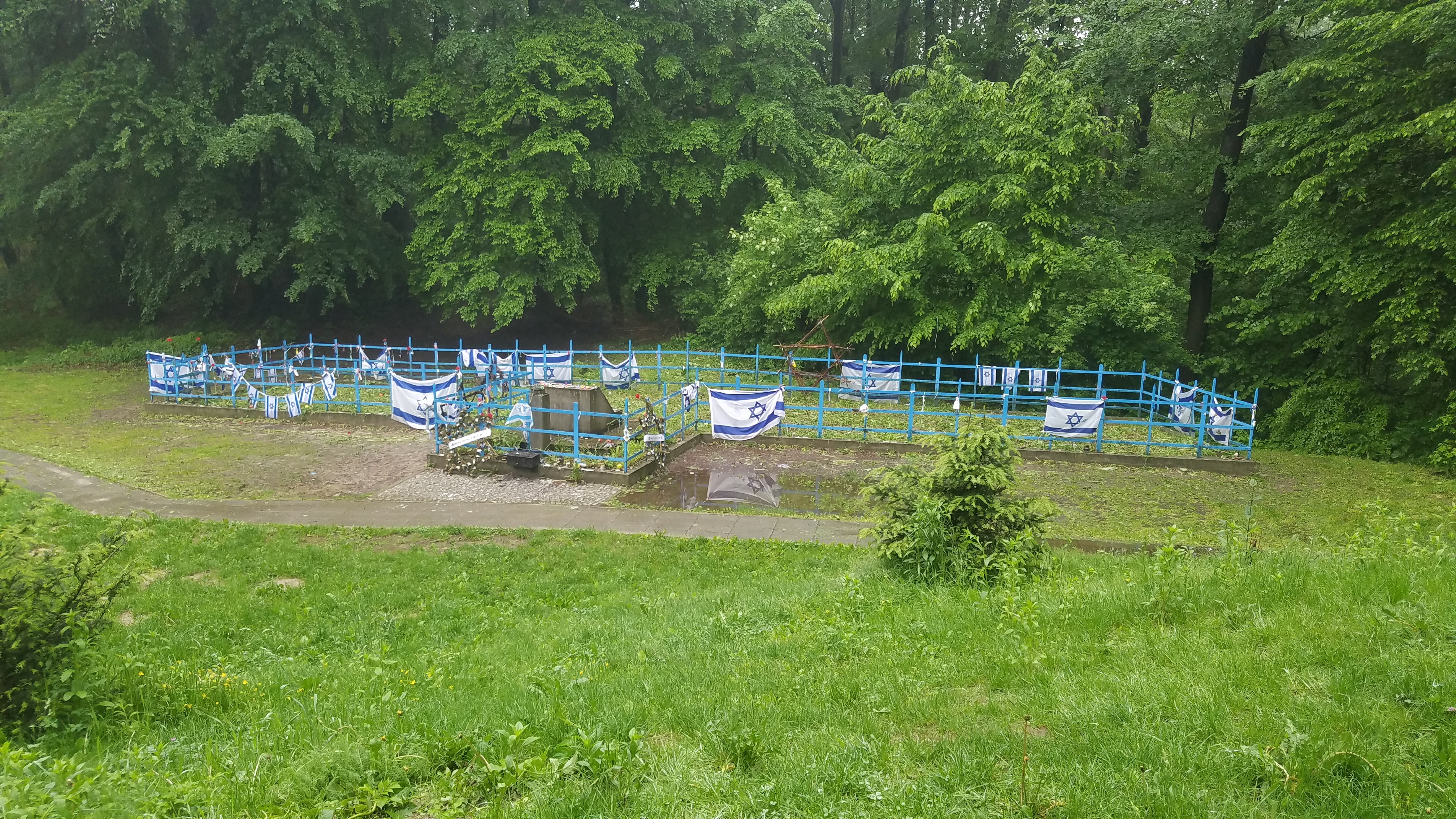
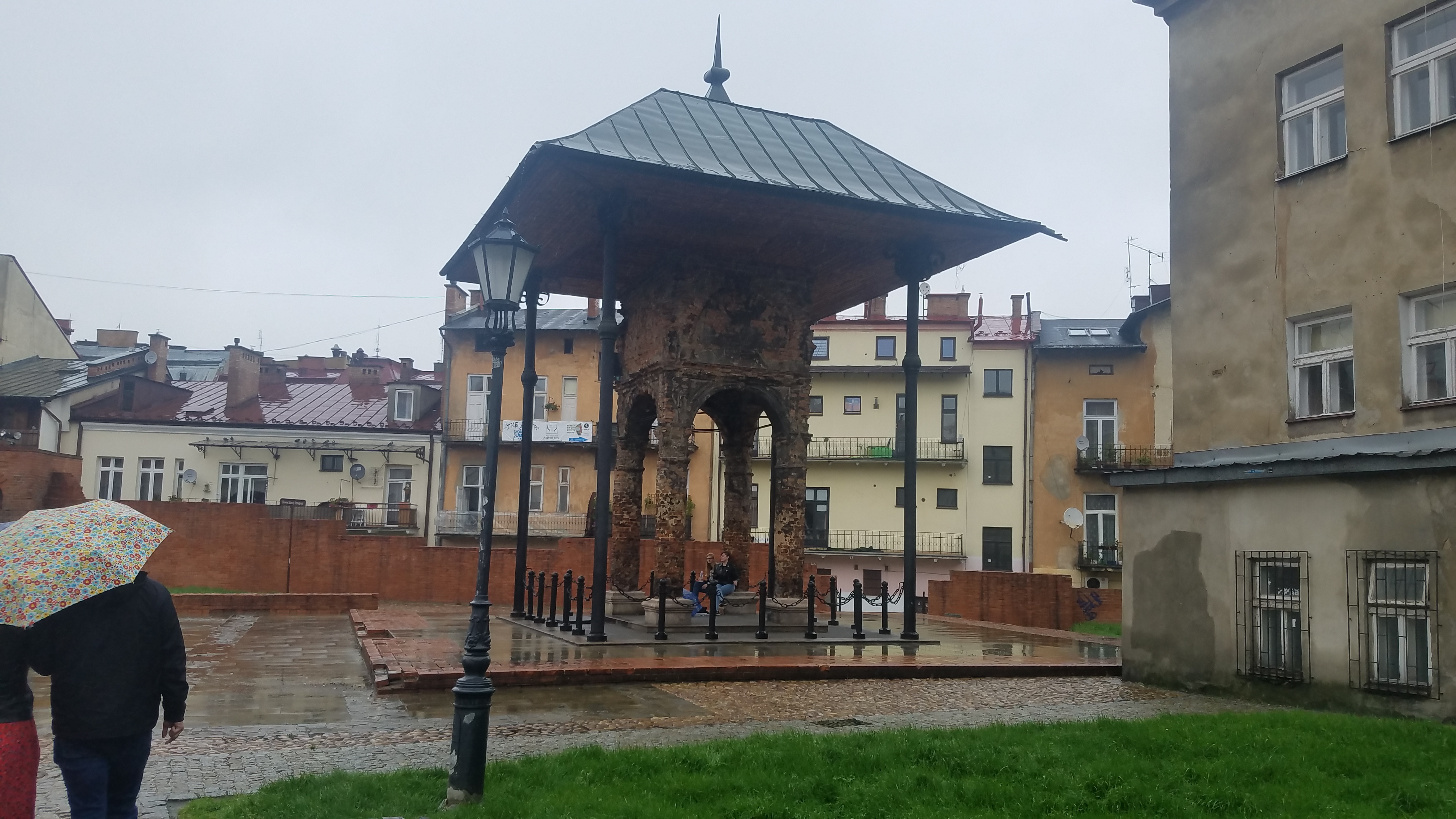
Throughout my time in Poland, in visiting museums, monuments, cemeteries, concentration/labour/death camps, I really began to notice the complexities of historic memory. Controversy surrounds so many of these monuments and yet, these controversial monuments become part of history themselves. Take, for example, the mausoleum at Majdanek — while Jewish law does not allow for the display of human remains, this monument still exists. However, to some this represented the best form of offering a token of remembrance. Furthermore, Poles and Jews undoubtedly remember this history in different ways. There is loss and pain tied up in their individual identities, but from different perspectives. Many Poles died in the war too, and even during the Holocaust — but does this allow for some form of competitive suffering?
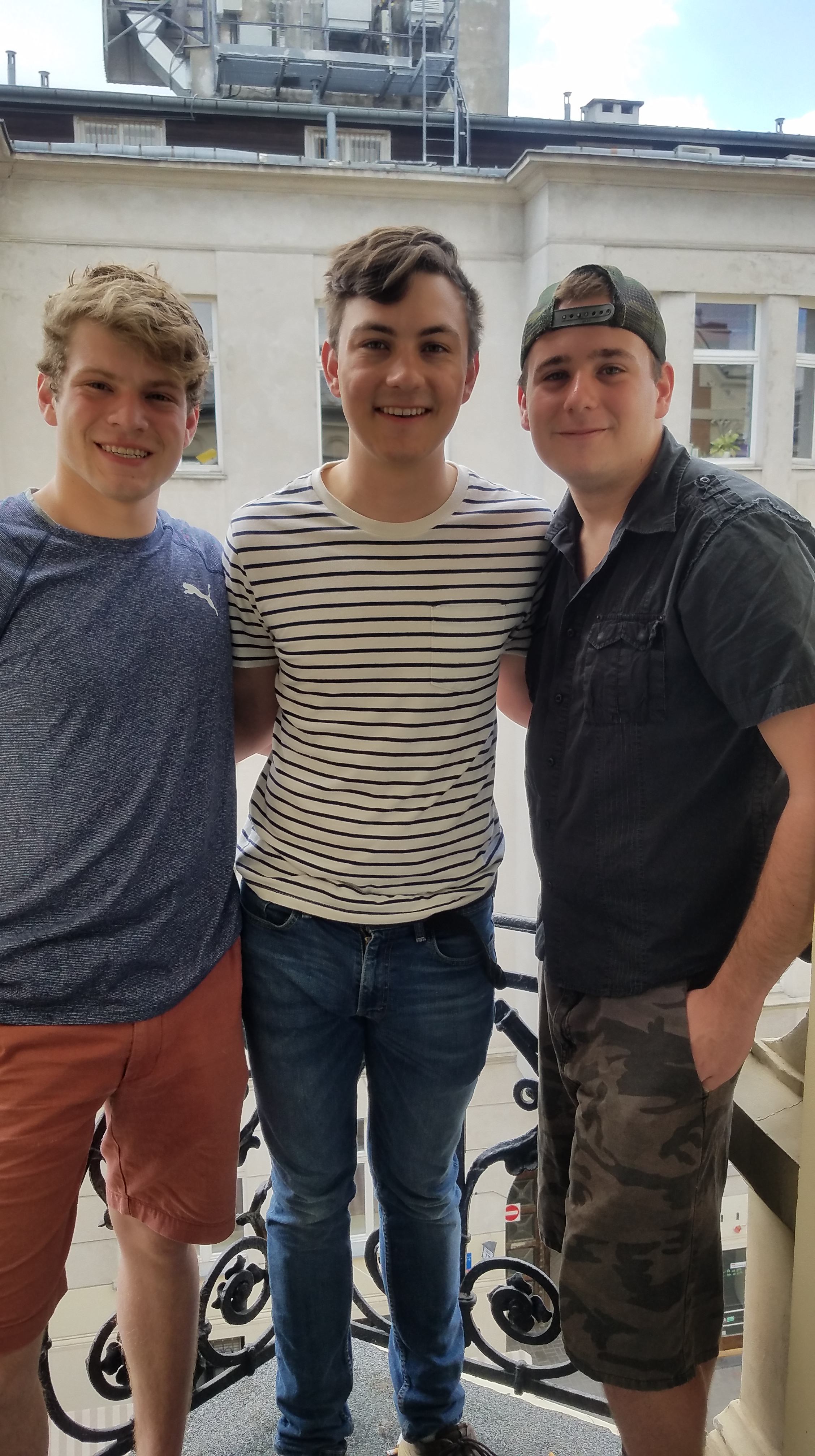
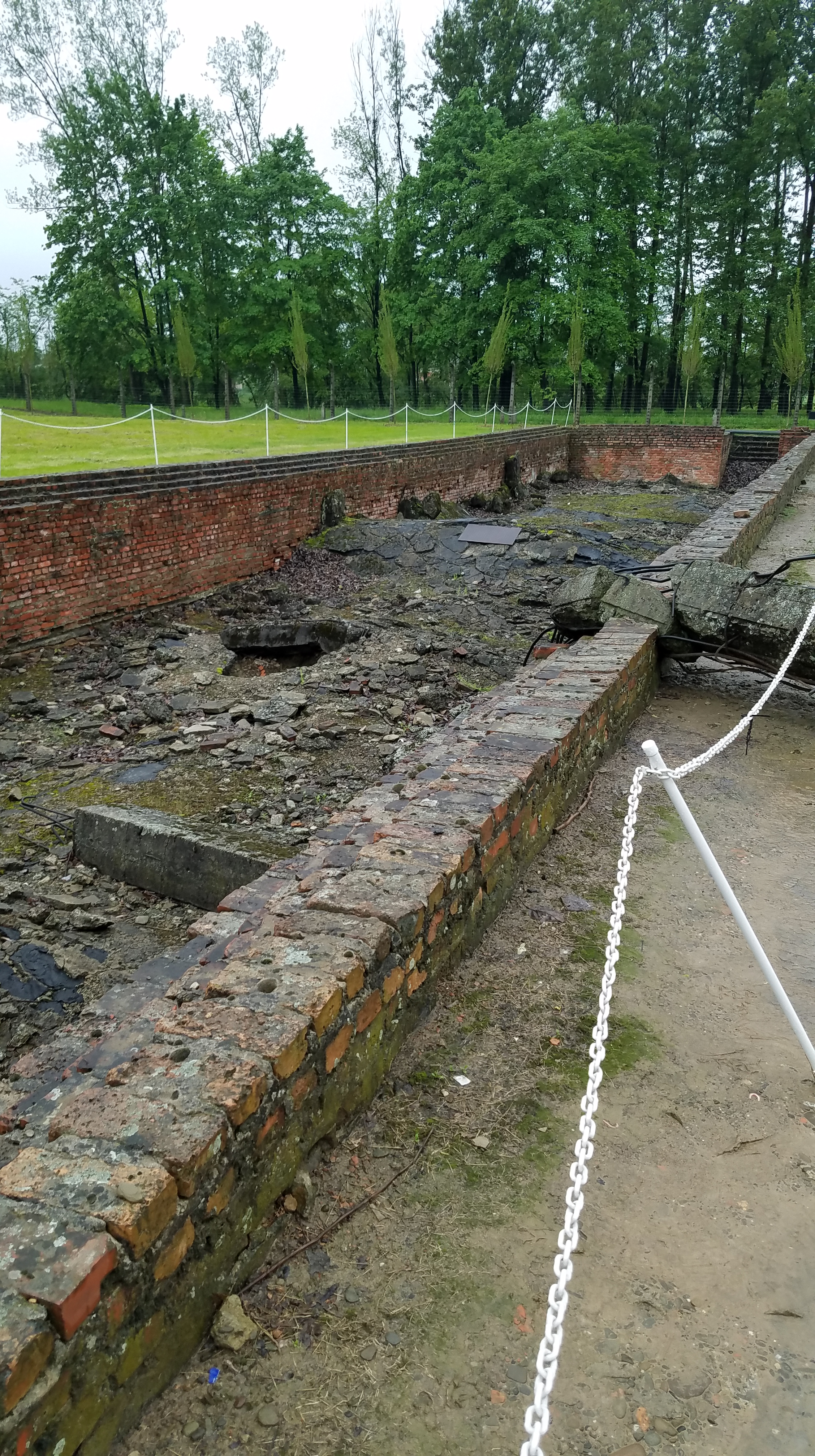
This memory and commemoration is not to the benefit of any one people, per se. This memory is about healing and about redefining post-Holocaust Jewish life. What do non-Jewish culture brokers have to do with this then — shouldn’t memory be reserved for those whose personal history it focuses on? I believe healing is taking part on both sides of the divide in Poland. The idea of a Polish Jew is once again a real possibility, with the ongoing efforts of grassroots organizations like the Warsaw or Krakow JCCs. There is no demand for Polish jewish people to be defined as singularly Polish OR Jewish. This is, of course, even more important when considering the idea of victims as perpetrators of the Holocaust as well. This could only be more torturous for the Jewish people — forcing these people to process and manage the functions of death camps, as well as to decide who lives, who dies, and who gets on the next transport could only heighten the anguish and suffering at the time. How can I, as a student of history, judge this? Could it ever be simple collaboration, if someone had to do this regardless; was this work something done willingly?
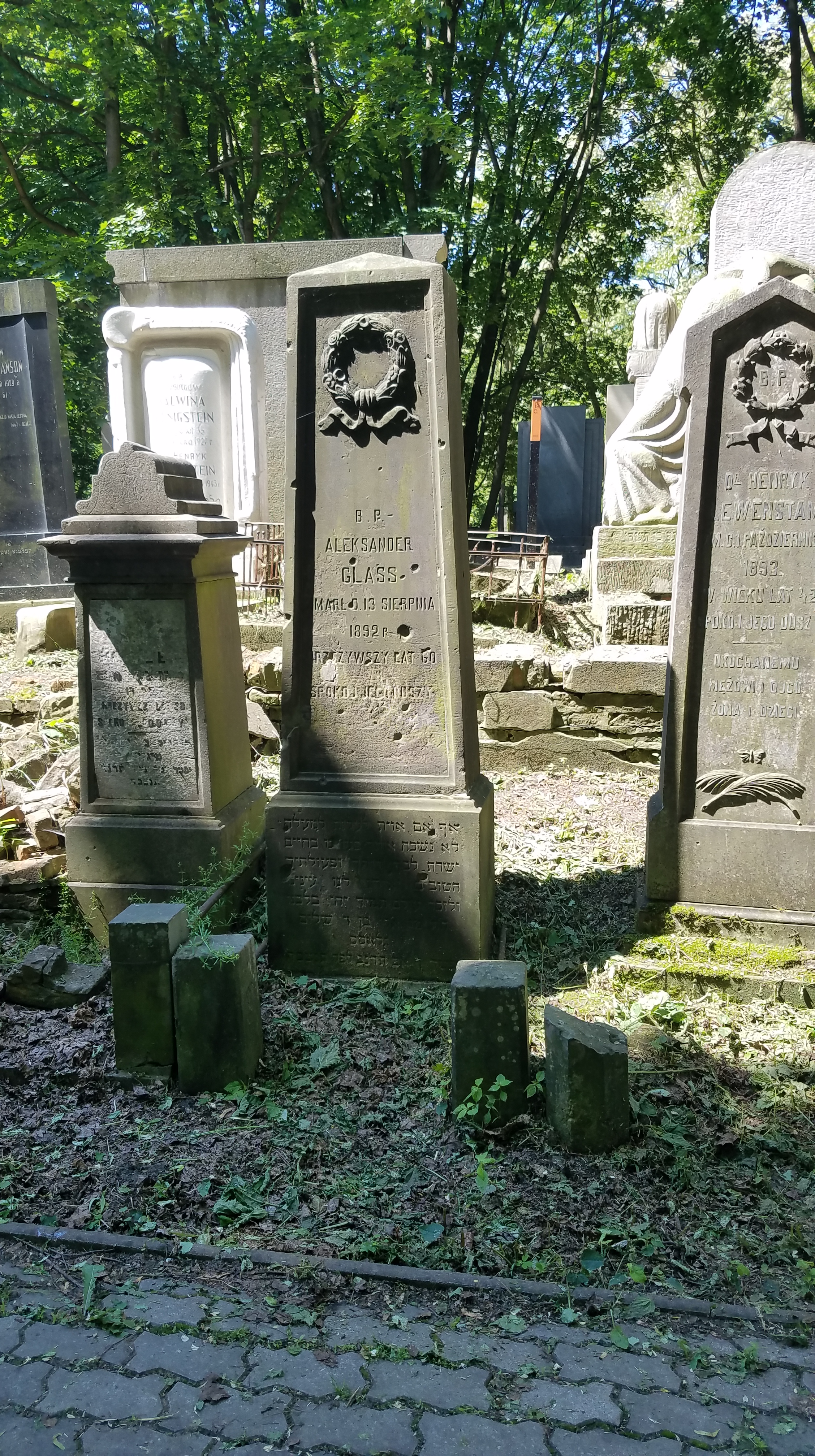
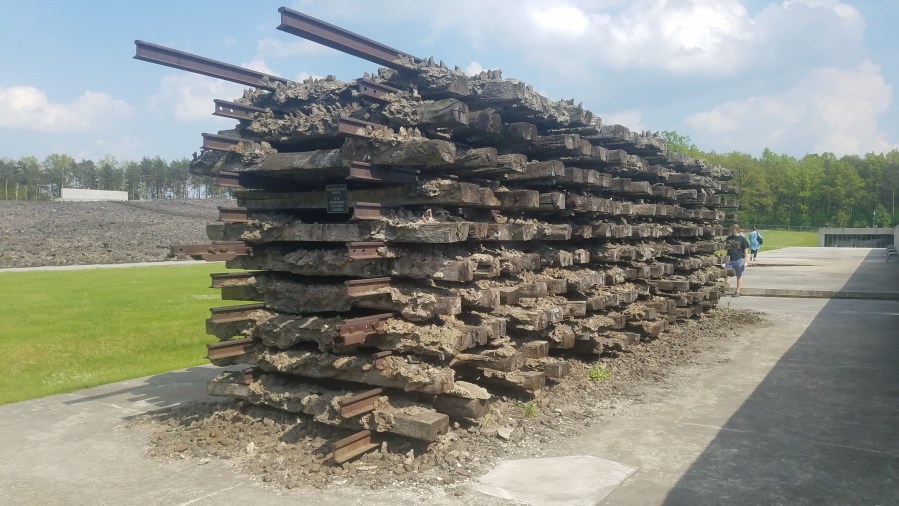
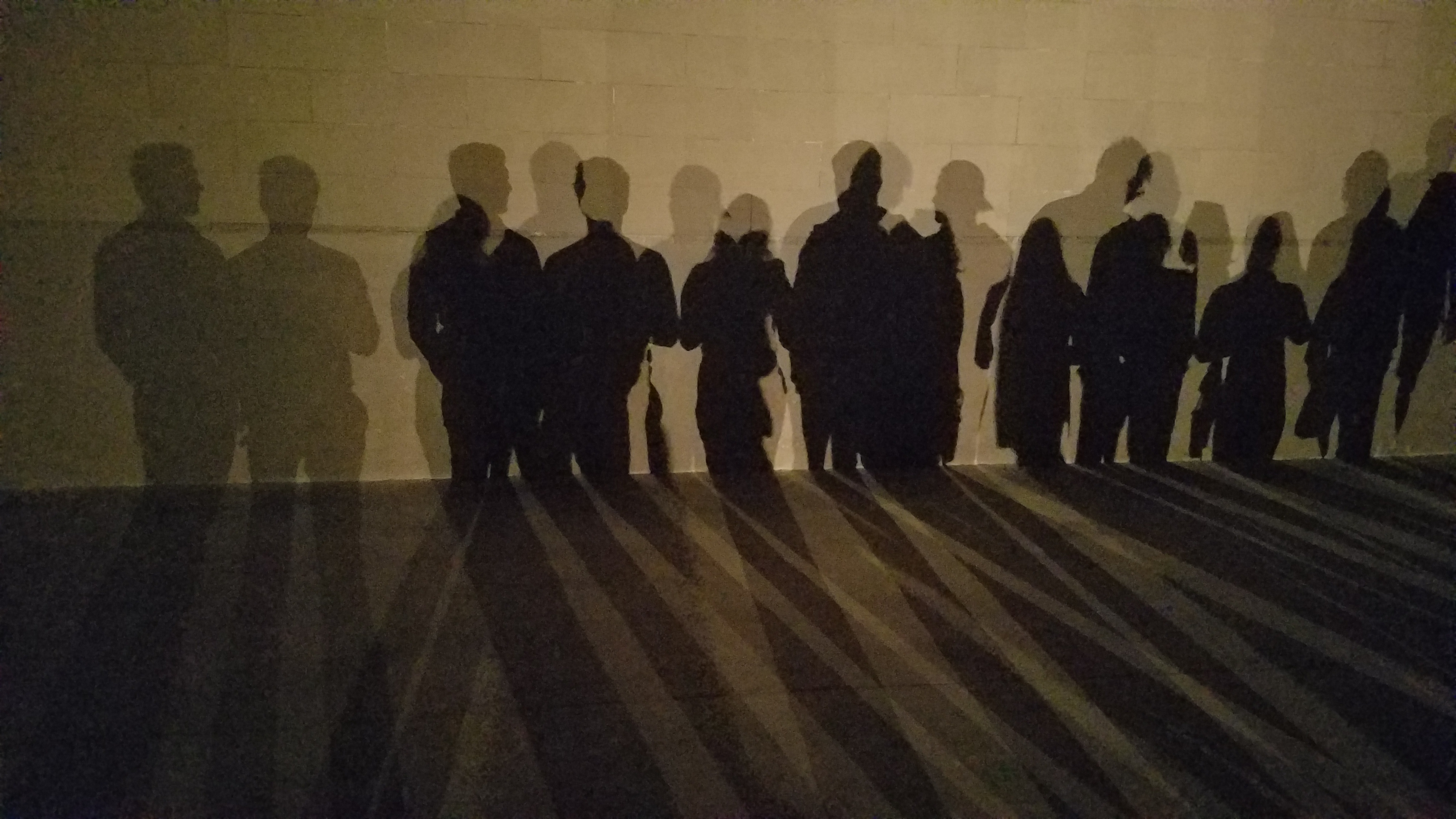
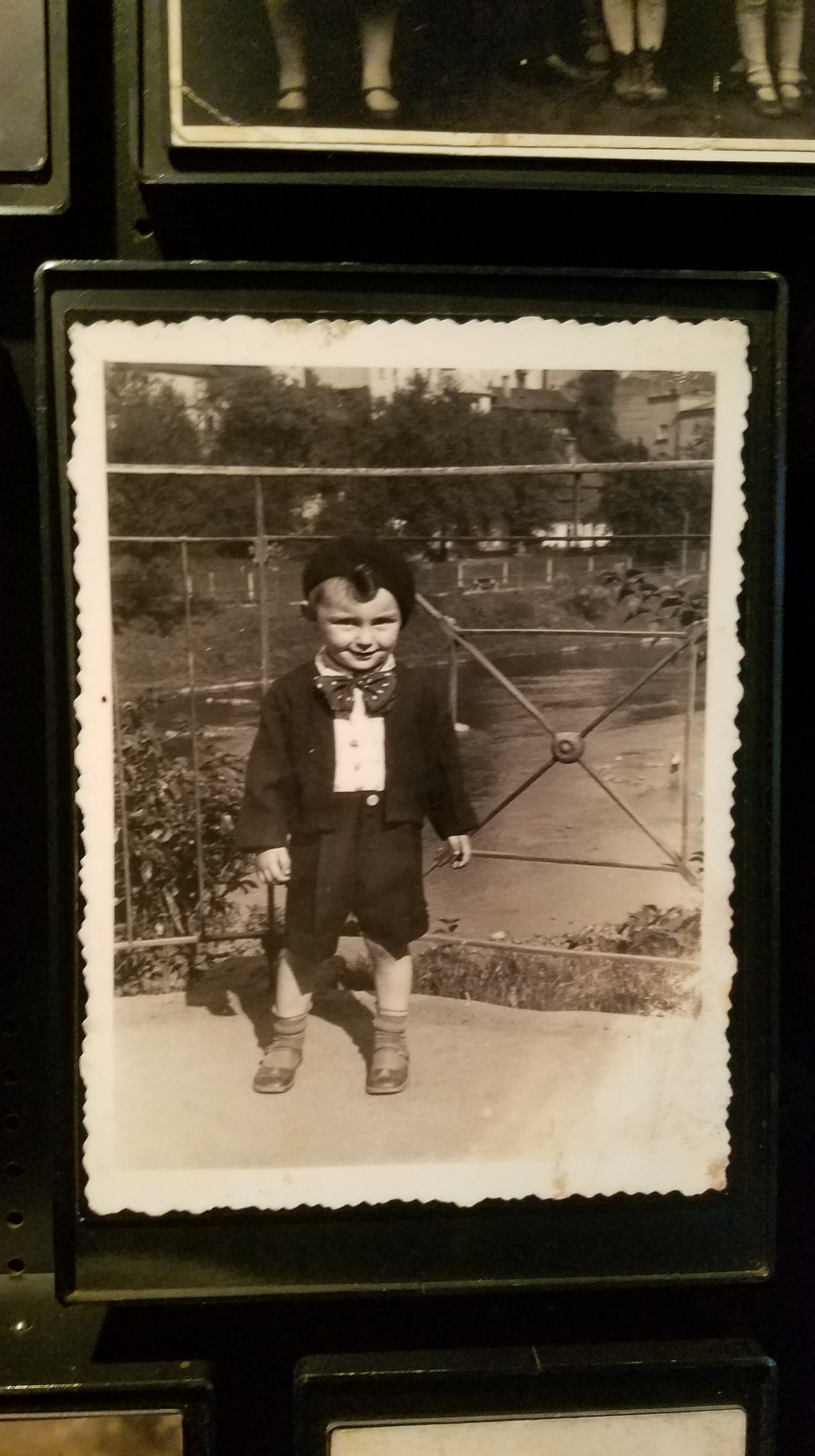
Coming into this course, I had considered this a crucial part of modern history that cannot be ignored or forgotten. I soon realized what really needs to be questioned is how it is actually remembered and whose story is being told. The individuality of of the millions of victims of the Holocaust is what really struck me over and over. I wanted to meet these people in history, to see their faces, and to learn their stories — but I failed. I failed, because I can only remember them, never know them. Again, the massive acoustic chamber at Belzec comes to mind — at the end, we were faced with an empty wall and shadows. Only shadows.
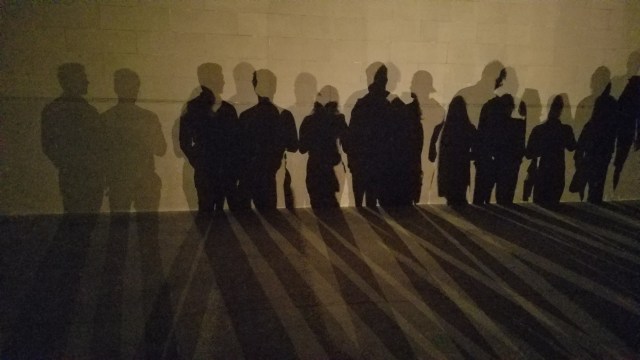
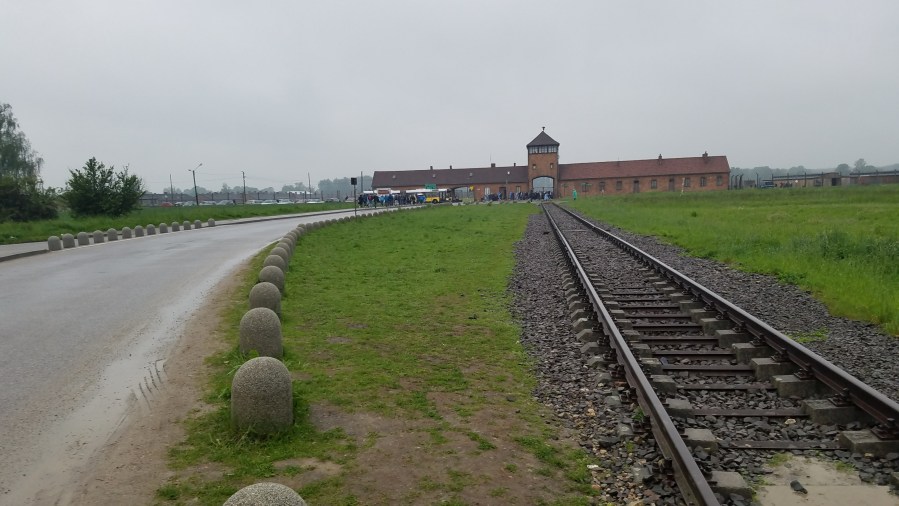
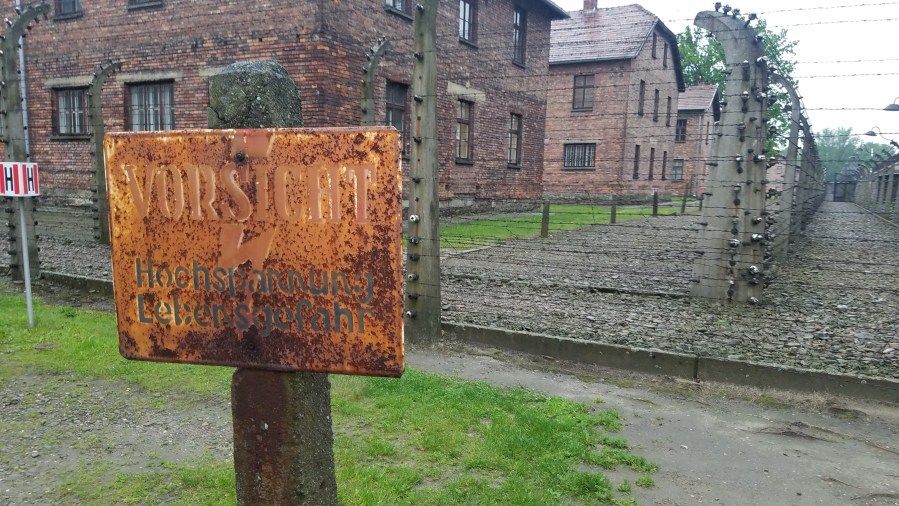
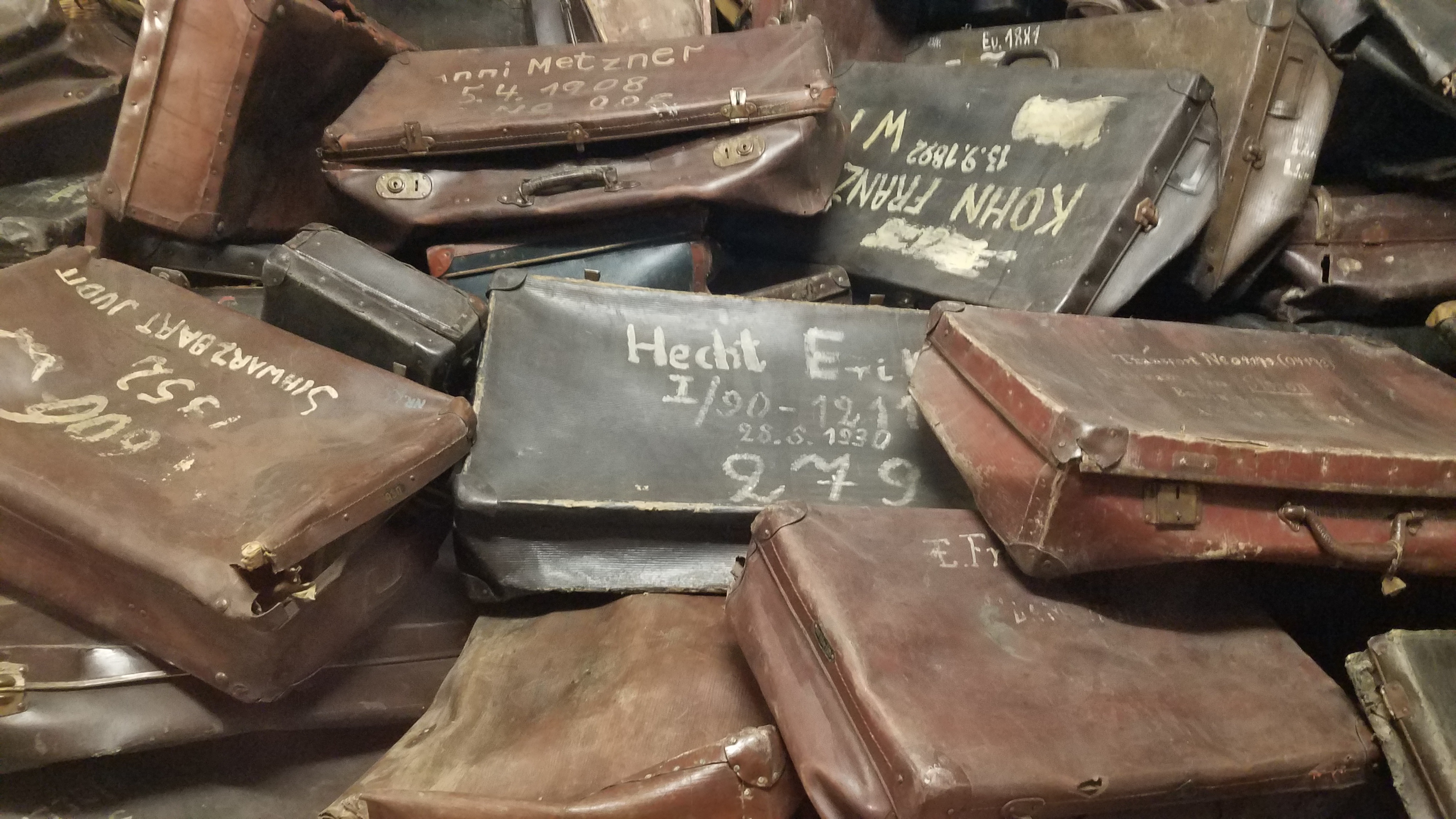
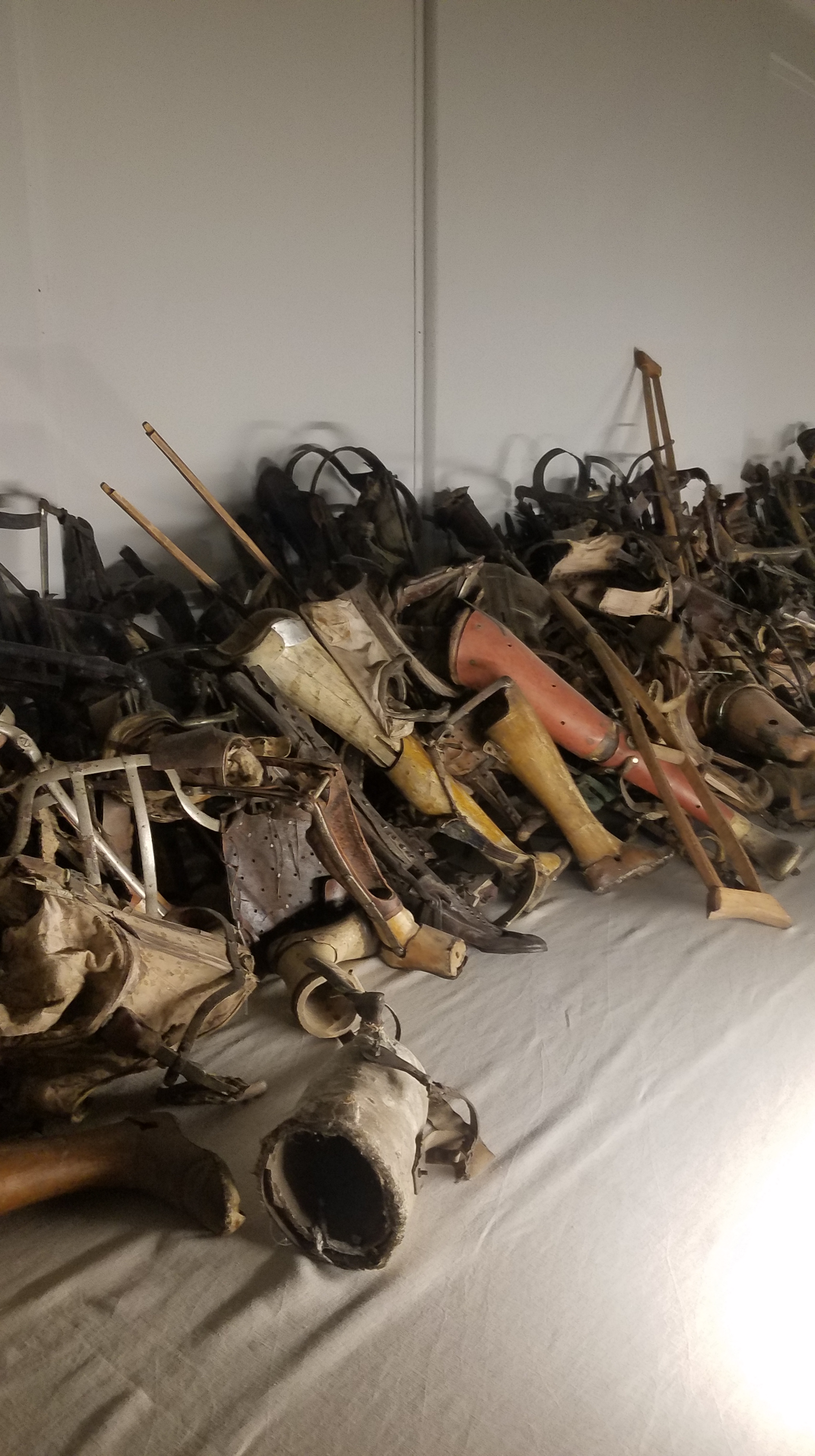
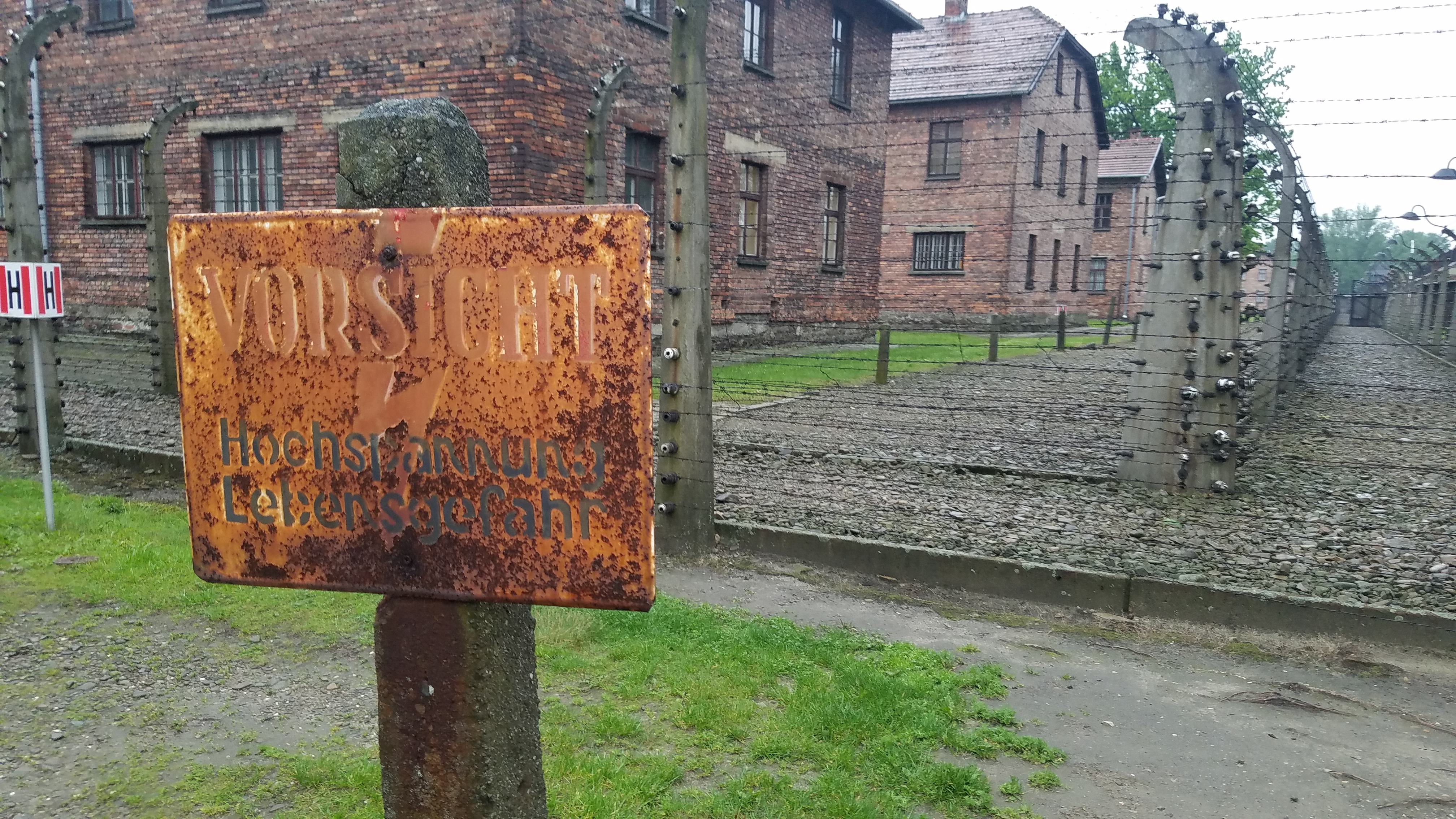
To conclude, I’d like to once again mention the most well-known and famous of Holocaust sites. I think the reason the Auschwitz museum in particular was unappealing to me (and probably why I keep raising this memorial in my writing) was because I found it so awfully beautiful. It was tidy, orderly, had short, well-trimmed trees singing the roadways… the Auschwitz 1 camp looked like a wealthy community, albeit one surrounded by barbed wire and guard towers. I could not reconcile that with the terrors of that place 75-80 years ago. Visiting crude monuments of stone I could easily understand — they were constructed to commemorate those horrors — but this place was an attempt to show the overall operations of the Holocaust. I found myself taking pictures there, not because those were the ones everyone wanted to see, but because it was pretty. Again, the thought of what it would take for me to have been among the perpetrators… Here I live in 2019, studying history.
 Into That Darkness — and Out of it too...