Friday, May 24
In visiting small Jewish shtetls and even larger towns on Friday, I began to realize the extent of Jewish presence and their current absence. In Tarnów, we found a fully Catholic society — the single last Jewish man died in the mid-2000s after moving back to Tarnów after the war. These villages were previously centres of Jewish culture and life — often the Jewish community lived in the village, and the rest of the Polish community would live on farms in the surrounding area. These communities were devastated by the arrival of the Nazis, and because these villages were small and too far from the main rail lines, were marched or driven to nearby forests and murdered en masse for days at a time. It was too expensive to even consider sending thousands of people to death camps; the countryside is effectively filled with mass graves and execution sites.
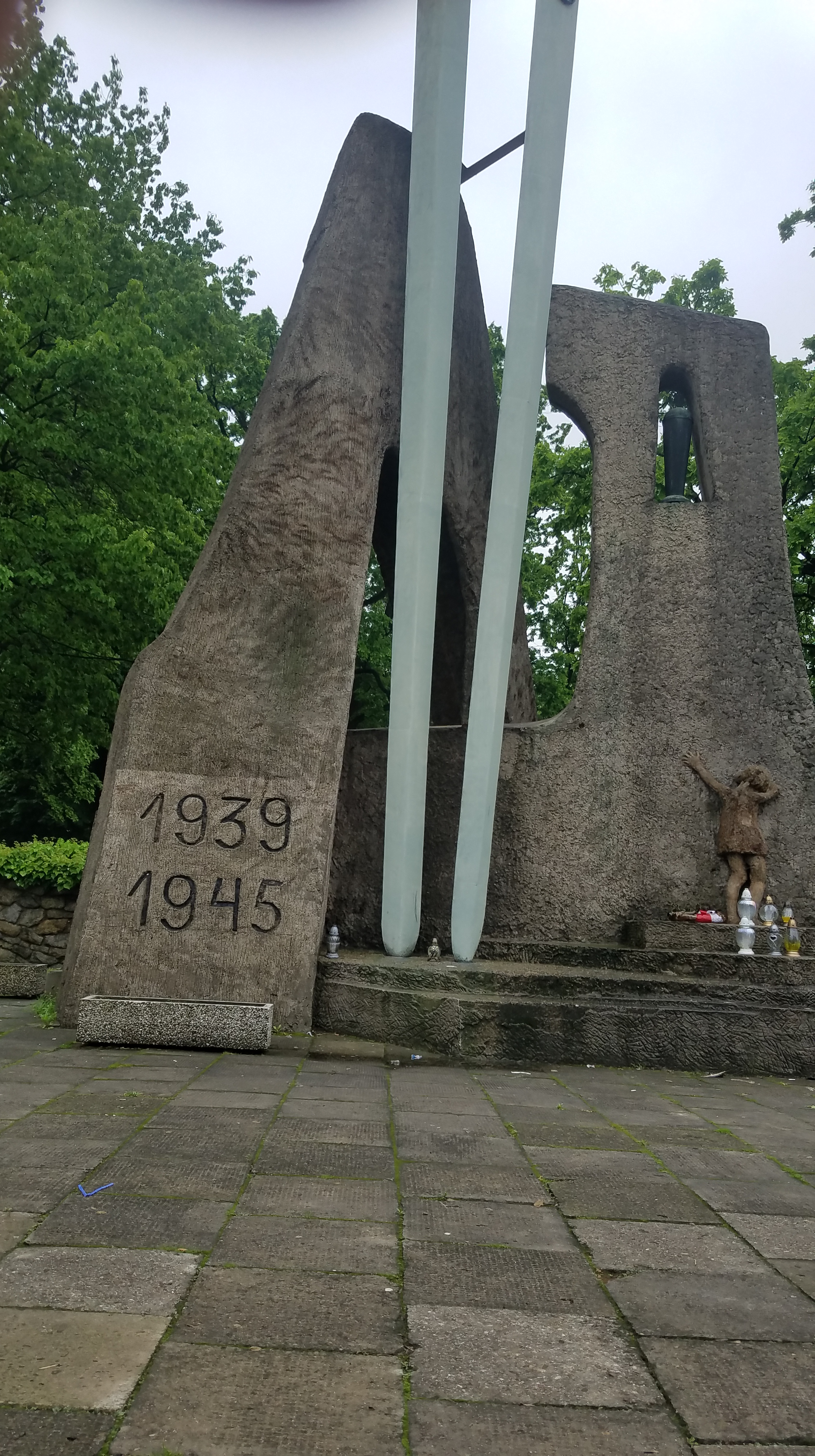
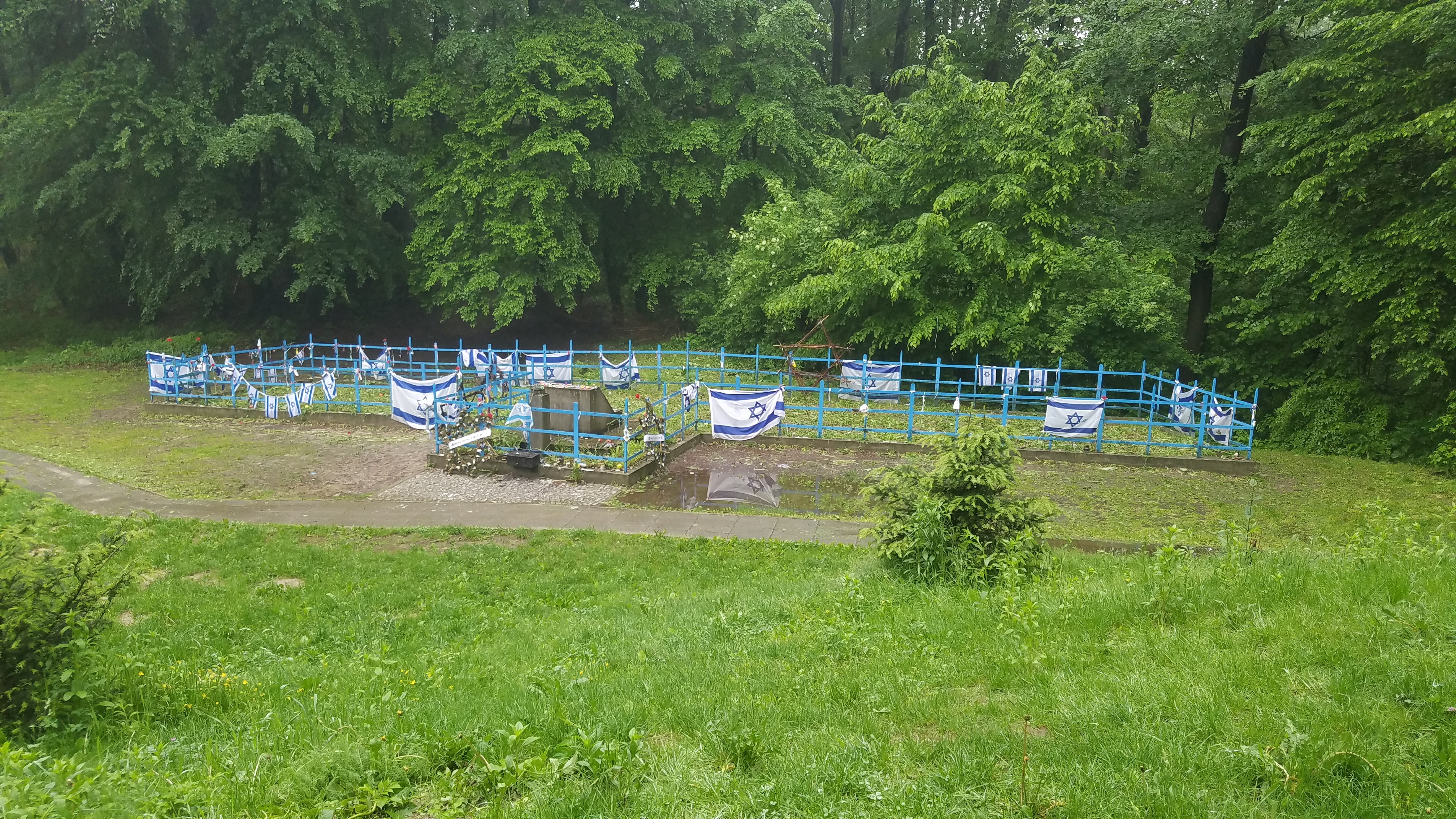
The first site we visited was a monument two km outside the village. This was the site of the massacre of Tarnów’s Jews — probably nearly 8000, including over 800 small children. Thousands of others were murdered in similar places, on the outskirts of the town. At this first site, I was overwhelmed by the numbers of young children killed in the later years of the war. Around the mass grave of these 800 children, were various small toys, flowers, notes, and candles.
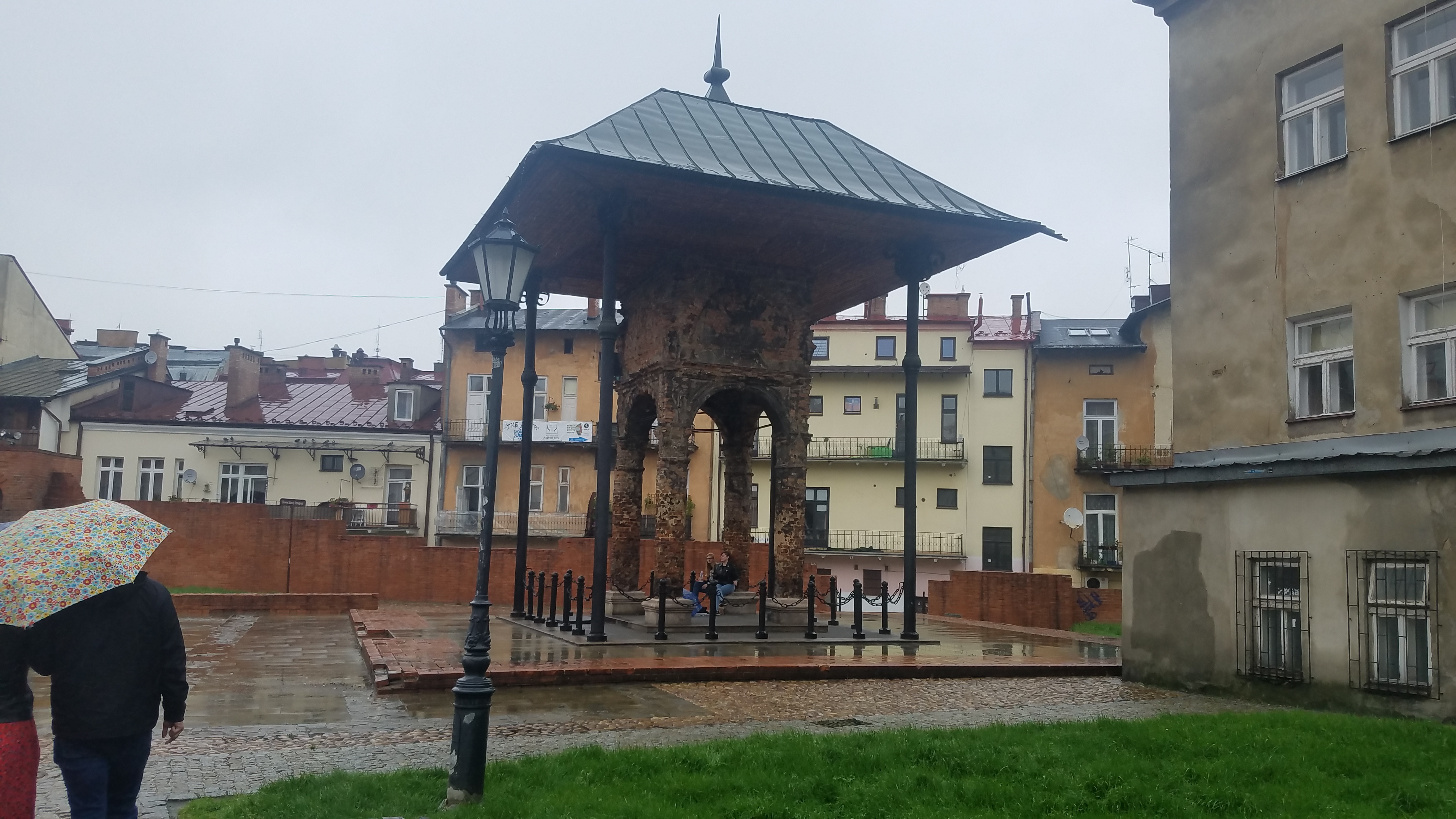
The touring of small towns demonstrated that the Polish-Jewish history is very complex. These regions were once populated by Jews and Poles alike, living in the same villages. Today, many places like Tarnów tell the often forgotten parts of the history of WW2. The Jewish people were not only under threat from the Nazi police, but also from their Polish neighbours. I really saw this when we visited the site of a former synagogue that was torched in the early part of the war. The size of the building — outlined in the courtyard with a coloured stone — was quite large, and likely would have been ornately decorated inside.
Walking around the village as tourists felt completely different — almost strange — as compared to Krakow. Krakow is a tourist destination. Jewish shtetls are rarely a place tourists would choose to visit. Yet, it was fascinating to see how much history is situated in a small region of Poland. Memorials, monuments, plaques, and museums of historic buildings are found throughout the town. However, it was strange seeing modern-day inhabitants of Tarnów going about their work, accustomed to these monuments, but strangely making us feel awkward about visiting as a student group to hear about their history. Are they looking at us with a sense of responsibility, or are they simply curious why we would choose to visit such a town? I can’t say I would not look curiously at a tourist group if they came to visit my hometown, but there isn’t nearly as much evocative history there. Tarnów has centuries of history to contend with as well. Interestingly, some of the residents have taken it upon themselves to erect individual monuments to their history — including acknowledging their own property as formerly owned by Jewish peoples. I found this to be a very appropriate way to demonstrate interaction and responsibility for the history of those grounds. Of course, this does not mean every property needs monuments and memorials, but nonetheless, such actions demonstrate efforts of the Polish people to acknowledge the present absence in their community.
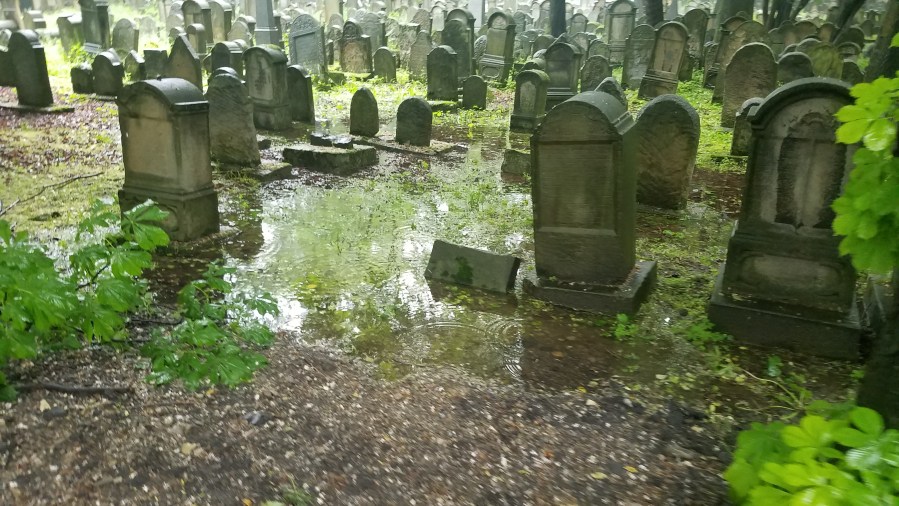
We also visited a very large Jewish cemetery in the heart of Tarnów. This cemetery was a mass grave site, a WW1 cemetery, and a long-term cemetery for the Jewish residents of the city. I was saddened to see the disrepair of the cemetery, even on some fairly recent headstones. Furthermore, the previous pathways through the cemetery had been effectively used as burial grounds as these were the only places that could be safely identified as not being another grave site.
Dabrowa Tarnowska: we couldn’t make it to Bobowa due to the weather conditions and time constraints. This is a much smaller town, but also not home to any Jewish community. In 2015 a Jewish synagogue here was renovated, transforming the building into a museum. Of what, none of us were quite sure — our guide specifically wanted to show us this place for that reason. I’ve never seen such an exhibit of local history — though this was supposed to be a museum of Jewish history in the town, this was an exhibition of everything available. This museum, a restored Jewish synagogue, lost nearly all credibility with its full refurbishing into a modern-looking building. There were still various interesting exhibits, but these would have been better displayed in a different manner, perhaps one showing the history of the town itself, not in between exhibits of Jewish history.
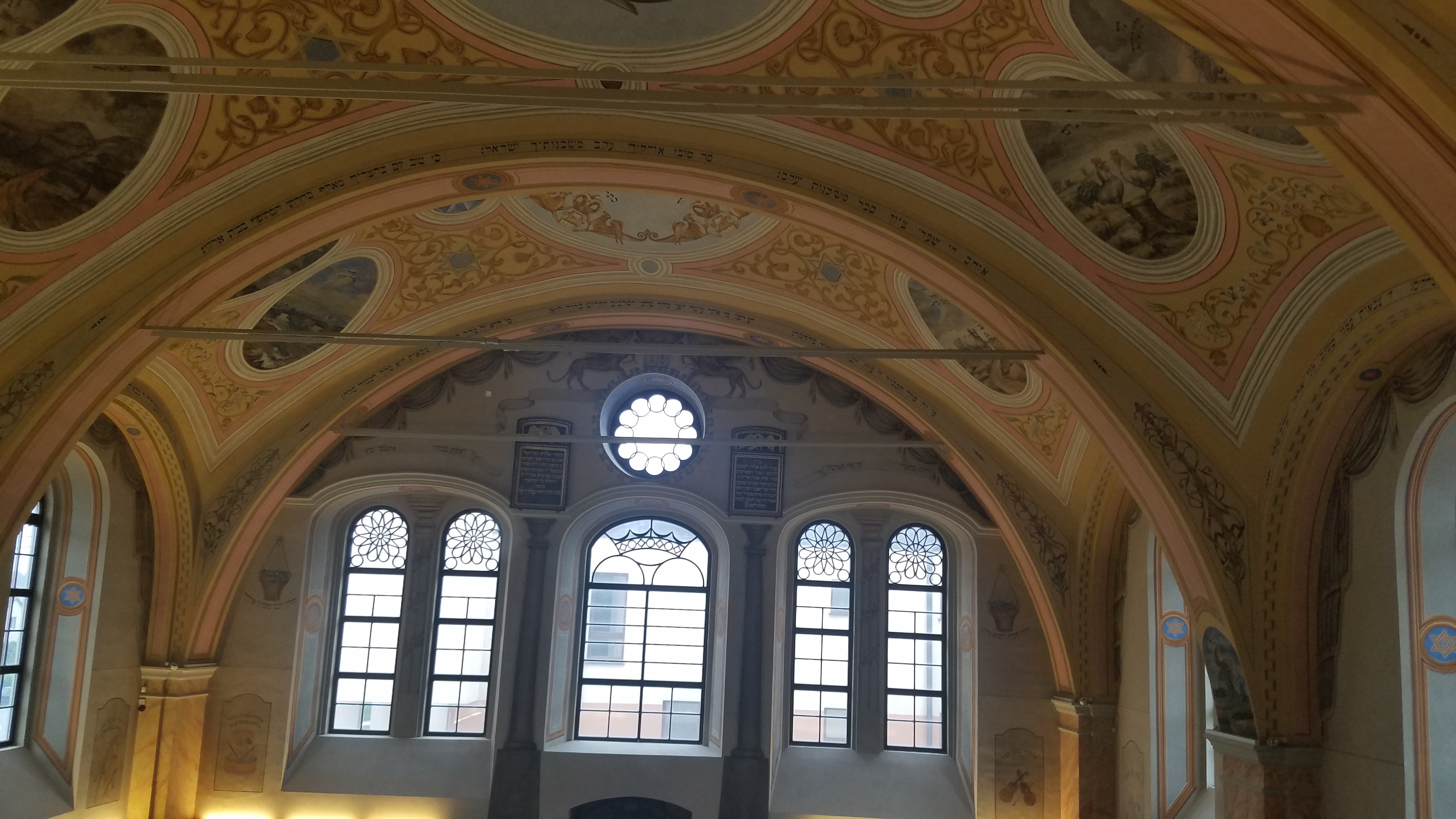
This was a museum unlike any I have ever seen. Inside, I saw everything from Polish culture to WW2 artifacts and from Torah scrolls to stained glass and decorative windows. This was a 4 year old synagogue, not nearly even a 19th century architectural masterpiece. Demolishing and modernizing the former Jewish synagogue doesn’t seem to offer justice to the historic remembrance of those who worshipped there. I think much better things could have been done with the grant received to restore the building — there is a responsibility left to the community to remember the huge absence of their town. Who else is there to carry on their remembrance when whole families and Jewish communities were wiped out, besides the rest of the community who knew and lived among them? There is nobody else left.
 Into That Darkness — and Out of it too...