Sunday, May 26
Here, in this carload
I, Eve,
with my son Abel .
If you see my older boy,
Cain, the son of man,
tell him that I
Dan Pagis ‘Written in pencil in the sealed freight car’
Late morning, we visited the Bełżec memorial of the Bełżec death camp, a place where over 430,000 Jews were exterminated. Previously, the Soviet governance had erected a monument here, of course in typical Soviet era style of crude stone monuments. Unfortunately, this small monument was removed, and only the plaque remains in today’s museum.
Whether or not I choose to compare monuments of history, I am finding that a course such as this both encourages and necessitates such thought. Remembering is based on such interaction with the past; factually speaking, I’m sure most can remember basic information. All this is to say, in our visit to the Belzec monument on Sunday, I was profoundly moved by the thought and symbolic interaction such a place demands. This memorial was put together with such a depth of thought to create an artistic, careful, and simple place honouring the innumerable victims of the region.
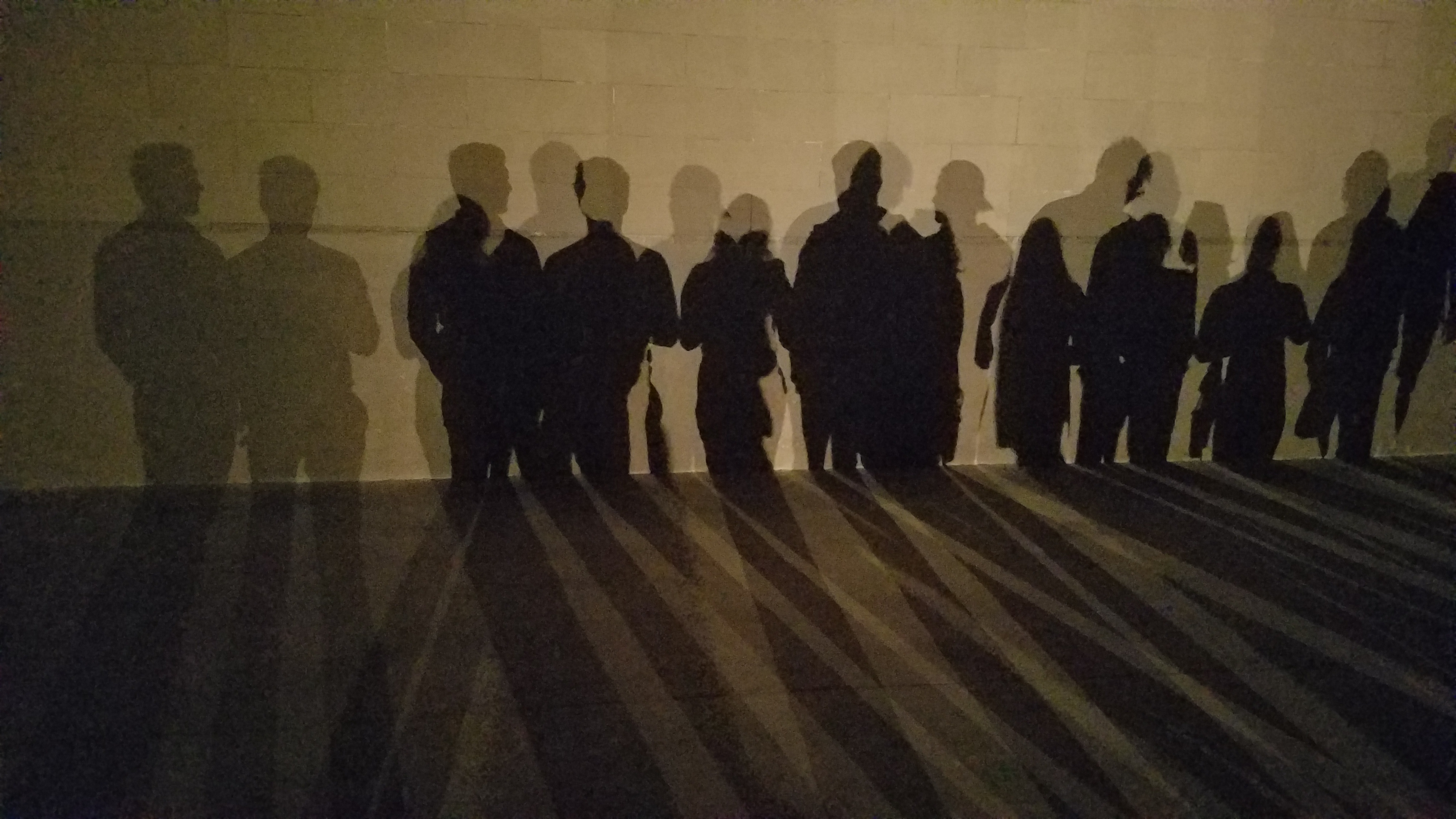
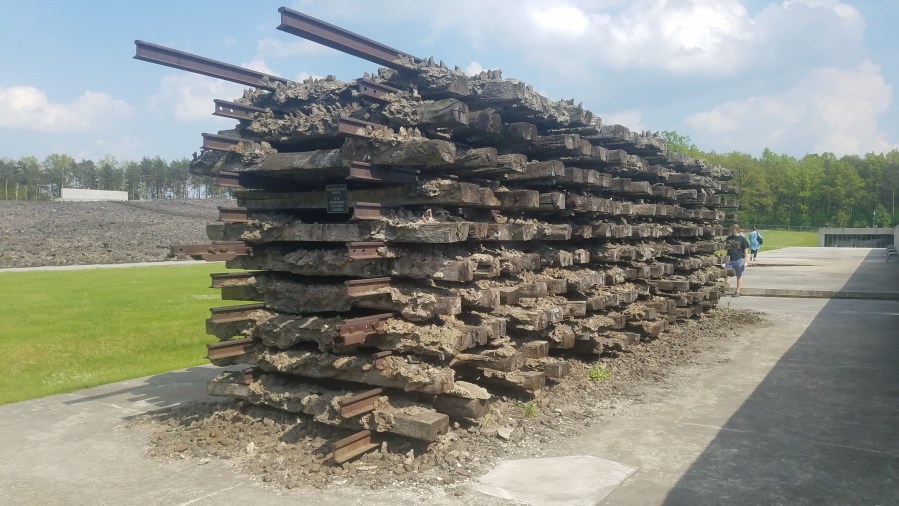
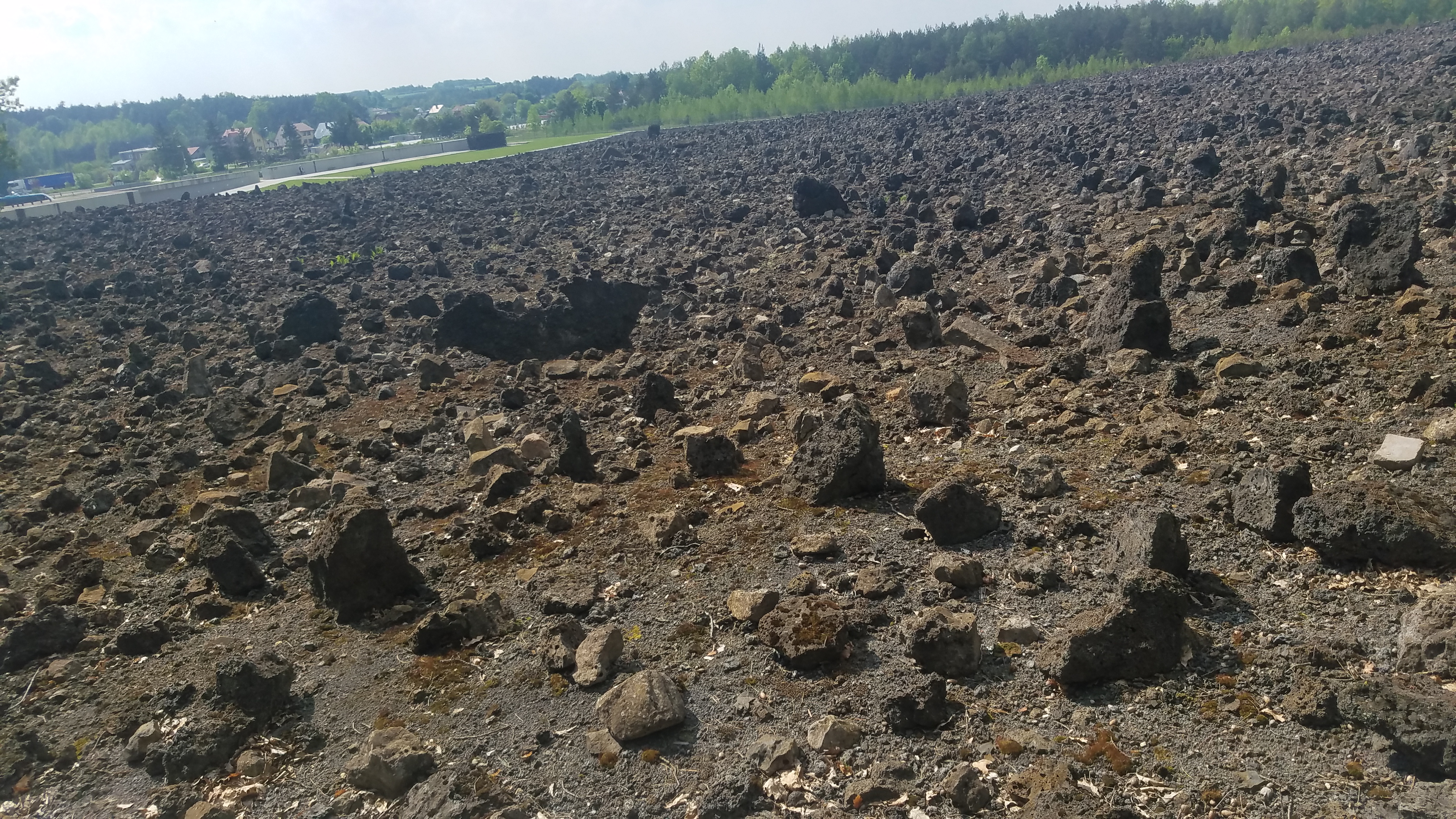
Thus far, in our visits to different museums and camps, I have found the memorials primarily focus on functional aspects of the Nazis’ ideological thought; few properly convey the individual elements of the victims and what their lives meant. It wasn’t the brutality of the experiences that I saw, but the humanity and depth of suffering for the victims. Here there was no reconstruction — not even an attempt to demonstrate the functions of the camp. This was a place focused on the victims of Belzec. The symbolic designing of this monument is hugely responsible for this — from the acoustic chamber, to the aerial view (using lighter and darker construction materials to define certain key locations), even to the funeral pyre constructed of original rail lines from the time.
I found the beauty of such a monument to be in interpretation. Each person receives a unique experience here, while at museums such as Auschwitz, interpretation in minimized in favour of a certain anticipated experience. I received what I expected from Auschwitz. I nearly missed the bus at Belzec.
The Auschwitz camp reconstruction was designed and reconstructed in the Soviet era to show the absolute horrors of Nazism. Of course, being the largest and among the last of the death camps in operation, this site promised to do so very well. Unfortunately, though this is site is widely regarded as a symbol of the Holocaust at large, this presents inaccuracies in retelling the experiences of the victims of the Holocaust generally. I think every person should visit this site, but with the knowledge of what this re-formed history will not be able to offer. Belzec presents a different remembrance of history; calling for active and ongoing thoughtfulness. Here, I repeatedly found myself thinking about the names engraved in the walls at the end of the monument and about the lives each of those names represent. Without reconstructed buildings to demonstrate how the camp functioned during operation, I realized that we are not only studying victims of the Holocaust alone. We are also, and more importantly, memorializing millions of individuals whose lives where horribly altered through this propagation of hate.
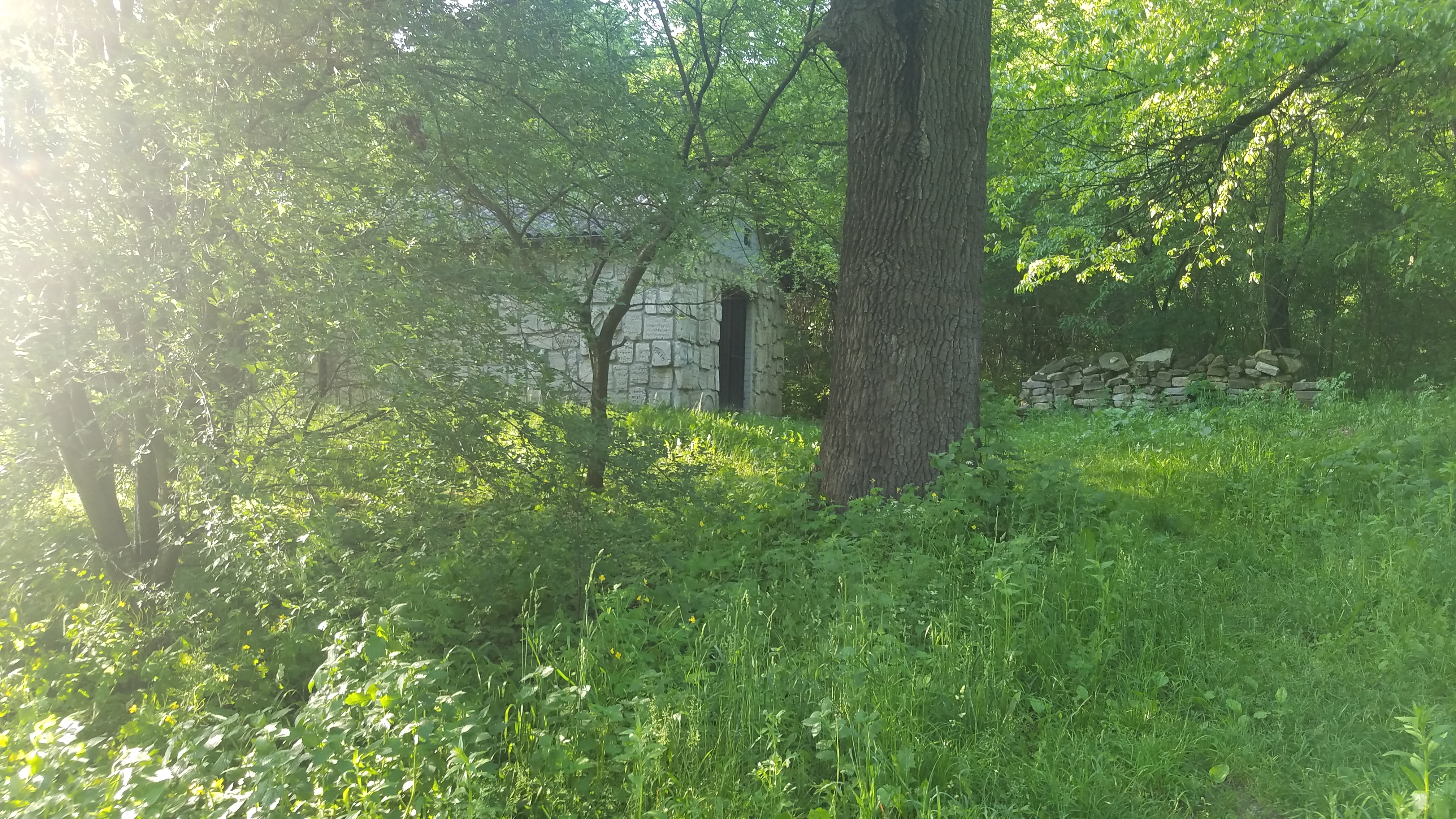
Later in the day, this was further impressed upon me in our visit to Izbica. This was a small, primarily Jewish town, home to around 4000 Jews before 1939. During the war, this served as a transfer point for many being deported to Belzec or Sobibor. Furthermore, this town is also the site of a mass killing — at the Izbica Jewish cemetery, where 4000 people, including many of Izbica’s Jewish people, were murdered during the Holocaust. As we walked around the town, I was continually reflecting on the vitality of pre-war Izbica. All of its Jewish occupants are gone. The lists of names on monuments can never do justice to this. What can ever properly reflect these lives? Perhaps the least I can do is offer time to share and reflect on this sobering reality. It was never the numbers that terrified me, but the sheer weight of each individual human life.
 Into That Darkness — and Out of it too...