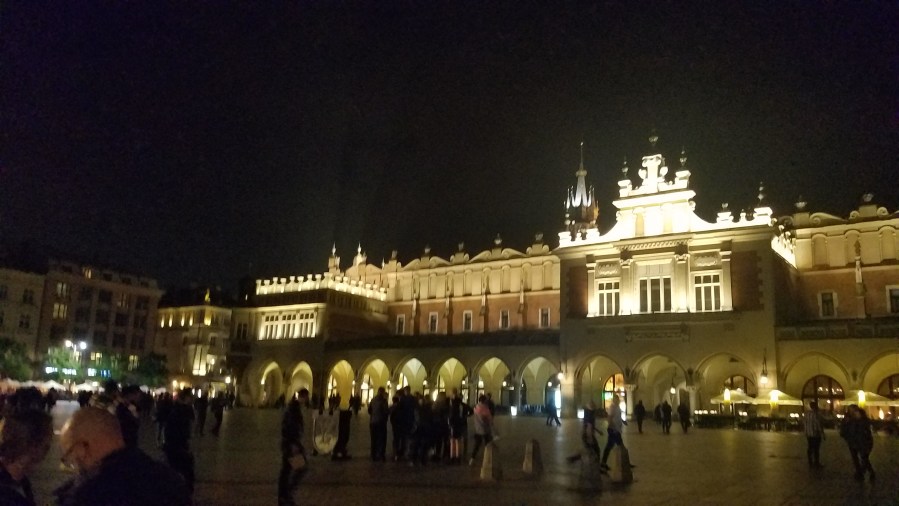
Saturday, May 25
Arriving at the end of my first week in Poland, I have a few short thoughts to share:
TRUCK! Oh no! It’s a truck.
Michal, the man who surprised us all
- A lunch comprised of peach cheesecake, coffee, and crème brûlée is perfectly acceptable. Perhaps, this is even encouraged if you are willing to live by my standards.
- I’m desperately in need of a real coffee. Burnt-tasting black water just doesn’t do it.
- A decent beer is still cheaper than a bottle of coke — of course, it’s healthier too, right?
- The Poles enjoy regular meals of chicken, potatoes and salad (or some combination of the three, by which they make some excellent pirogies). They make soups out of everything else.
On a more serious note, about this class itself, I’m really enjoying the group dynamics. Every person his able to contribute their thoughts coming from their own interpretations and experiences. Whether studying music, philosophy, math, or geography, we all add to the experience in a very positive manner. I really enjoy hearing what others think about the places we visit, and discussing why we came to such different conclusions. In some museums, it may have been nice to spend some more time working through the exhibits, but thankfully we are privileged to have excellent and extremely knowledgeable guides who effectively bring this history to life.
Over the last week, we were bombarded constantly with rain. Nonetheless, I’d say we are all quite content — or maybe just resigned to another week of this. I have acquired two umbrellas, though I actually neglected to bring even one because I hoped for great weather. Saturday is our first full day of sun this week, a great day to explore the rest of the town, shop, and sit on patios to enjoy the sun. Interestingly, a large number of Catholic evangelists emerged as well — in the town square were numerous street preachers, as well as a small choir singing Polish hymns. Though many of us had seen members of the clergy walking around the city, this was the first time I really noticed how pervasive Catholicism was in their society.
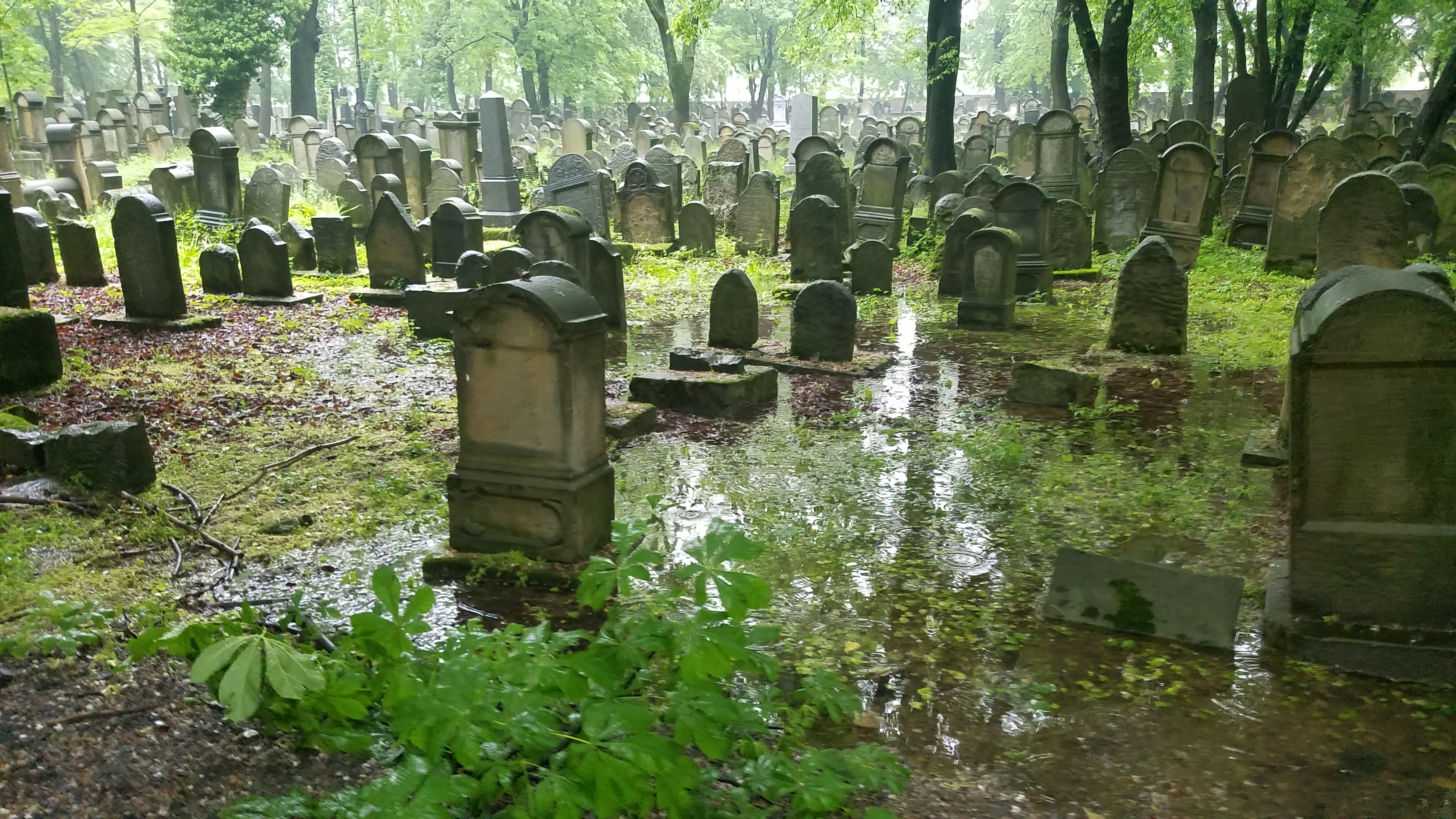
Of the whole week, I found some of the saddest moments to be in visiting Jewish cemeteries throughout the region. The distinctions between Catholic and Jewish cemeteries are both obvious and astounding. The headstones are absolutely incomparable and the maintenance of the grounds (really, the lack thereof) is heartbreaking. These differences show the forgotten part of Polish history. Who can possibly care for these places? Again and again, this massive absence appears to me. Not only because of the numbers of headstones in all of these cemeteries, but also because most seem to have been neglected for the last half century — or perhaps it was 74ish years. I found this to be a definitive fact pointing directly at the mass grave sites we visited; these were the places where whole families were executed together, one person after the next. As we also discovered in Tarnow, Jewish cemeteries were once vibrant places, filled with colours and bright headstones. Today, very few are taken care of, if ever visited. The execution of people by the millions left behind so much more than corpses, ashes, and bone; it left behind a huge societal void that continually returns to our minds.
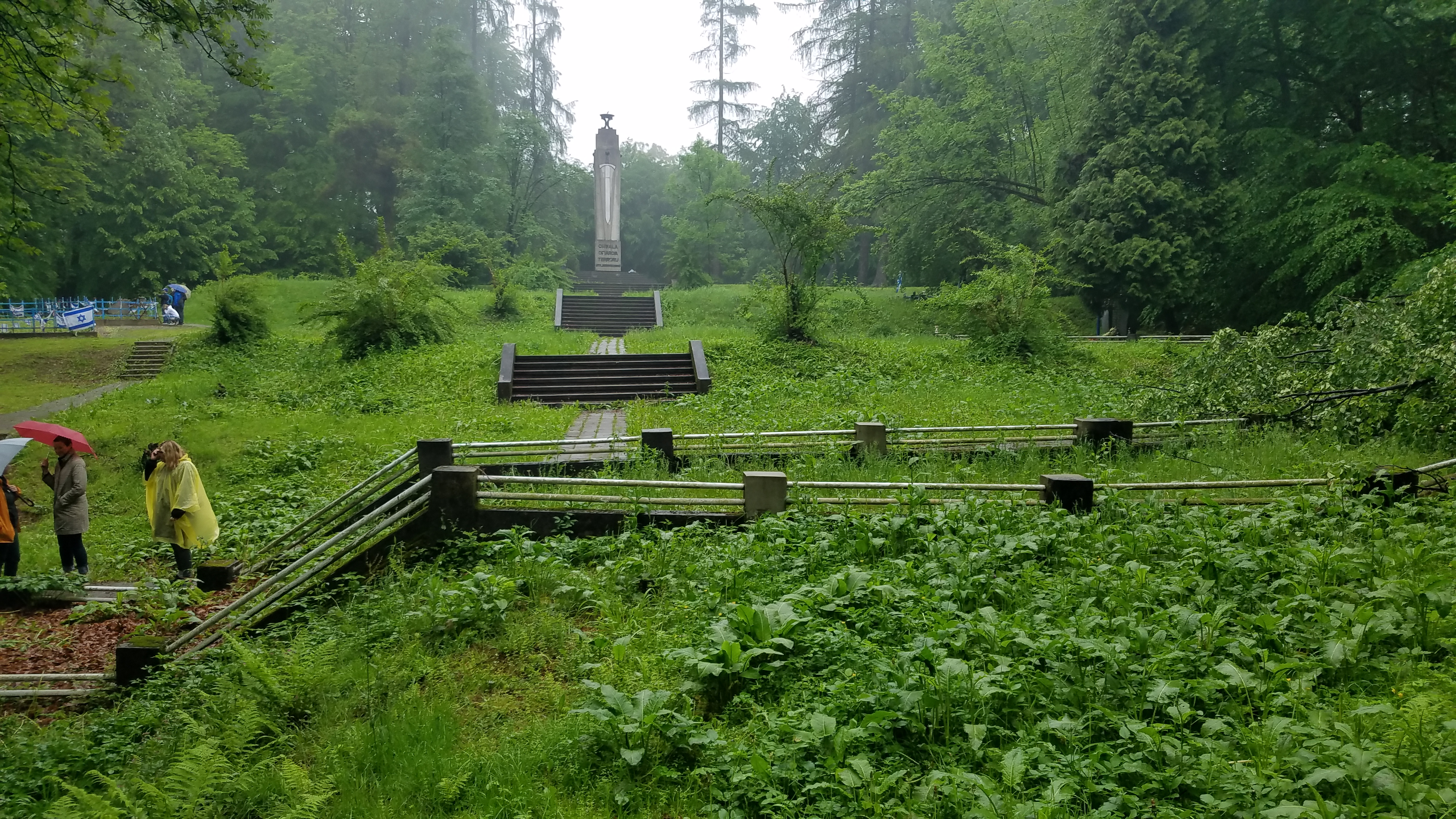
 Into That Darkness — and Out of it too...